Analyzing Interplay Between Digital Transfer Systems and Participation Durations in On-the-Go Table Game Platforms
Written by Theo Lehmann · Jun 2, 2026

Analyzing Interplay Between Digital Transfer Systems and Participation Durations in On-the-Go Table Game Platforms
Digital transfer systems now shape how players engage with on-the-go table game platforms, where instant deposits and withdrawals connect directly to session lengths across mobile blackjack, roulette, and poker environments. Platforms process payments through e-wallets, bank links, and tokenized cards that reduce friction between funding decisions and active play, while data from multiple markets shows measurable shifts in average participation times when transfer speeds increase.
Studies released in early 2026 tracked user behavior on leading mobile table game applications and found that platforms offering sub-three-second deposit confirmations recorded participation durations extending by 18 to 27 percent compared with those using traditional card gateways. The correlation appears in aggregated telemetry rather than individual anecdotes, with researchers noting that seamless funding loops encourage continued rounds without the interruption of manual verification steps.
Transfer Mechanisms and Their Technical Footprint
Modern digital transfer systems rely on API integrations that link player accounts to payment processors in real time, allowing table game interfaces to display updated balances within the same screen view. Developers embed these systems at the session layer so that a completed transfer triggers immediate chip allocation without requiring app reloads or separate confirmation pages, and this architecture supports continuous participation across cellular and Wi-Fi networks alike.
Security protocols embedded in these transfers include device fingerprinting and behavioral analytics that authenticate users without additional prompts during active play, yet platforms must still comply with jurisdictional rules on transaction logging. Observers note that regions with streamlined licensing for payment providers experience faster rollout of new transfer features, while stricter oversight environments introduce slight delays that can truncate session momentum.
Data Patterns Linking Speed to Session Length
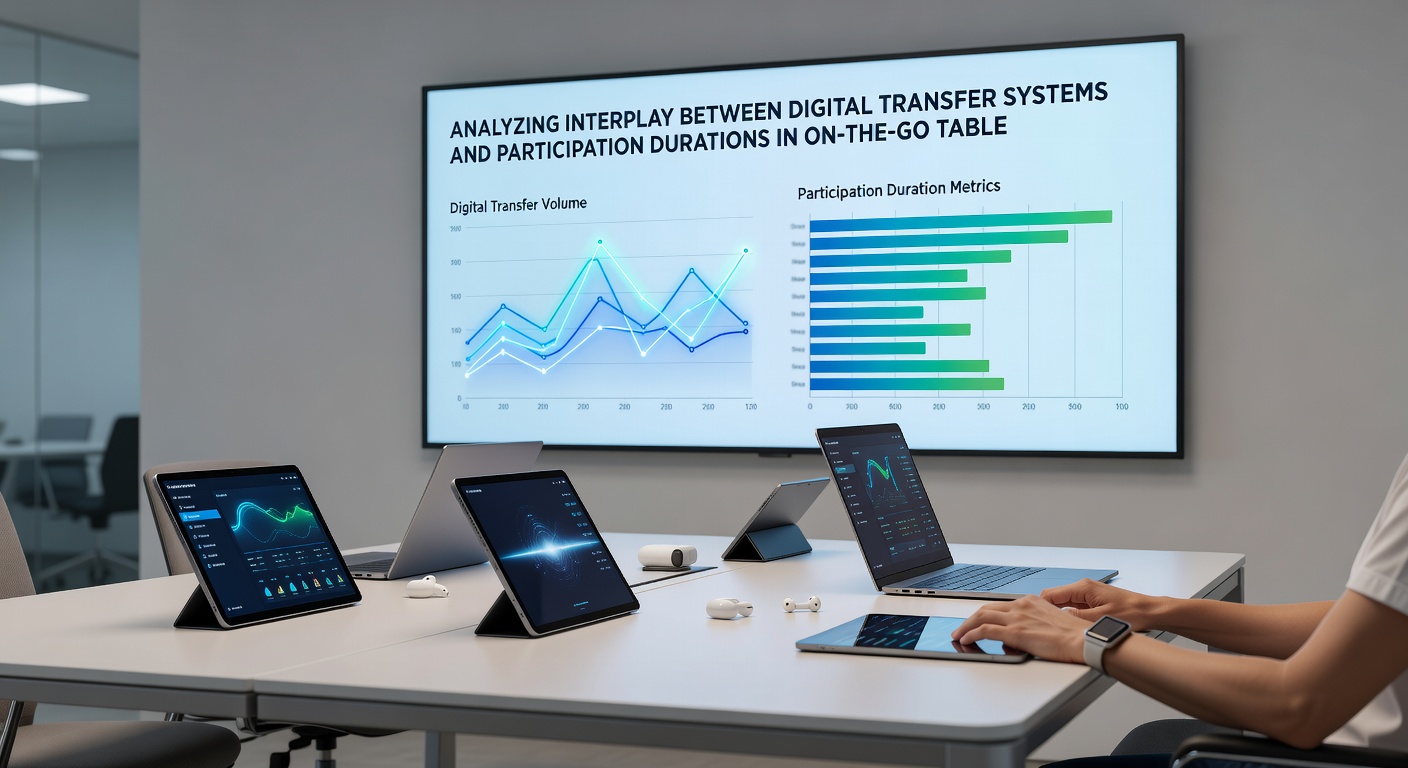
Platform analytics collected through June 2026 reveal consistent patterns where average table game sessions last 42 minutes on systems with instant e-wallet support versus 31 minutes on those limited to batch-processed bank transfers. The difference holds across demographic segments, although younger user cohorts show greater sensitivity to transfer latency according to aggregated reports from North American and European operators.
What's interesting is how withdrawal speeds feed back into deposit behavior, because players who receive winnings within minutes often reallocate portions back into active tables rather than exiting the application. One longitudinal dataset covering 1.2 million sessions indicated that same-day payout options correlated with repeat deposits occurring inside the same hour in 34 percent of cases, extending overall participation windows beyond single-session measurements.
Regional Regulatory Influences on System Design
Regulatory bodies such as the New Jersey Division of Gaming Enforcement and the Australian Communications and Media Authority have issued guidance that directly affects how transfer systems integrate with mobile table platforms. These frameworks require clear separation between deposit and play interfaces in some cases, creating design choices that either preserve or interrupt session flow depending on implementation details.
Platforms operating under multiple licenses adapt transfer flows by region, routing users through jurisdiction-specific processors that can add or remove verification layers mid-session. Data indicates that these adaptations produce measurable differences in participation durations, with streamlined regions sustaining longer average play intervals while segmented systems show more frequent pauses for compliance steps.
Player Behavior and Funding Loop Dynamics
Those who've examined telemetry logs observe that players rarely abandon tables solely because of transfer speed, yet cumulative micro-delays compound across multiple funding events within an extended session. When digital systems eliminate these pauses, participation extends because cognitive focus remains on game decisions rather than payment status checks, and this effect compounds during high-variance table games where quick re-buys become common.
Take one operator that introduced tokenized bank transfers in select markets during spring 2026, after which internal metrics showed a 22 percent rise in sessions exceeding one hour. The same operator recorded no comparable increase in markets still reliant on legacy card processing, underscoring how transfer infrastructure directly modulates duration patterns without altering game rules or payout structures.
Technical Constraints and Platform Adaptations
Network variability introduces another variable, since on-the-go platforms must handle fluctuating signal strength that can interrupt transfer confirmations even when backend systems operate at optimal speed. Developers counter this through queued transaction handling that resumes funding once connectivity stabilizes, preserving session continuity in ways that older systems could not achieve.
Academic papers from gaming technology research groups have modeled these interactions using session graphs that map transfer events against participation timestamps, revealing clusters where rapid funding sequences align with extended engagement curves. The models further suggest that fee structures attached to certain transfer methods can shorten durations when players pause to evaluate cost implications before proceeding.
Conclusion
Evidence compiled through mid-2026 demonstrates that digital transfer systems exert measurable influence over participation durations in on-the-go table game platforms, with faster processing correlating to longer sessions and more frequent funding loops across examined markets. Regulatory environments shape implementation details that either amplify or dampen these effects, while technical adaptations continue to refine how transfers integrate with active gameplay. Future datasets will likely refine these correlations as additional platforms adopt next-generation payment rails and cross-border standards evolve.