Certification Standards Shape Secure Payment Pathways in Mobile Slot Environments
Written by Taylor Koch · Aug 25, 2026
Certification Standards Shape Secure Payment Pathways in Mobile Slot Environments
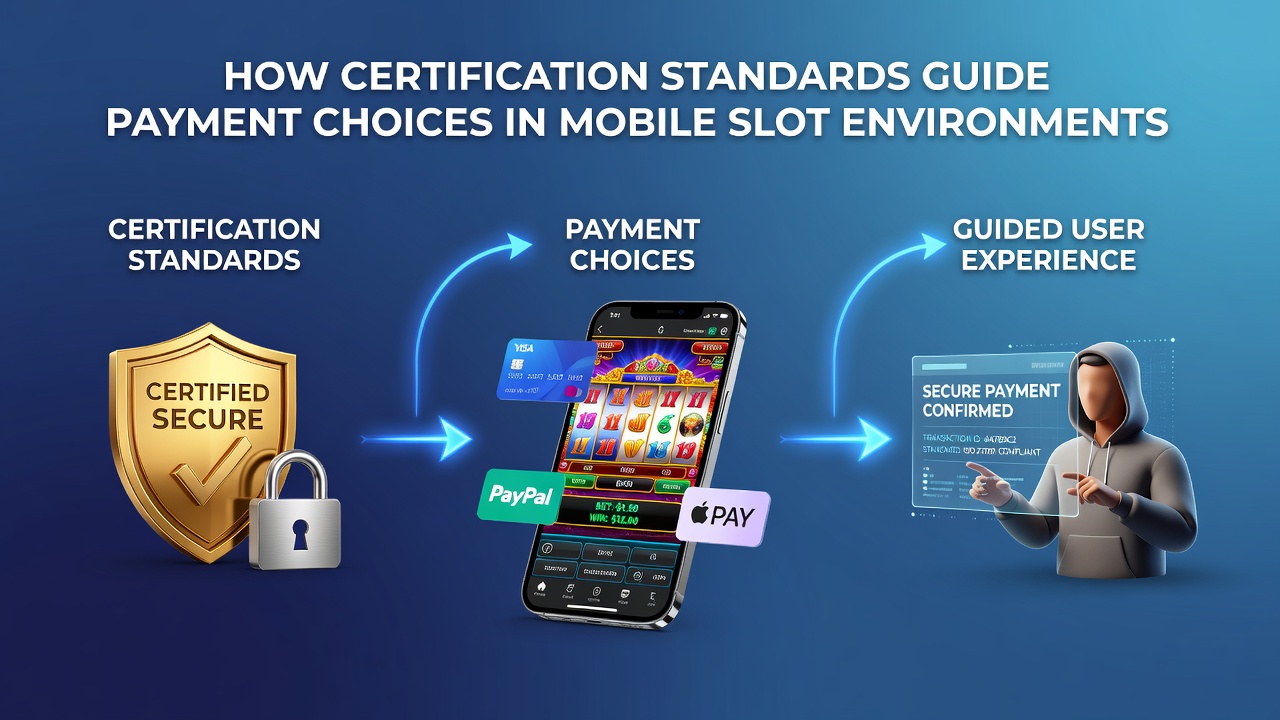
Certification standards establish the framework that operators rely on when selecting payment processors for mobile slot applications, and these benchmarks dictate everything from transaction speed to encryption requirements. Regulatory bodies and independent testing agencies evaluate both the gaming software and the financial infrastructure before any platform receives approval for public use, which means payment choices must align with documented security protocols and compliance checklists that evolve over time.
Core Certification Bodies and Their Payment Criteria
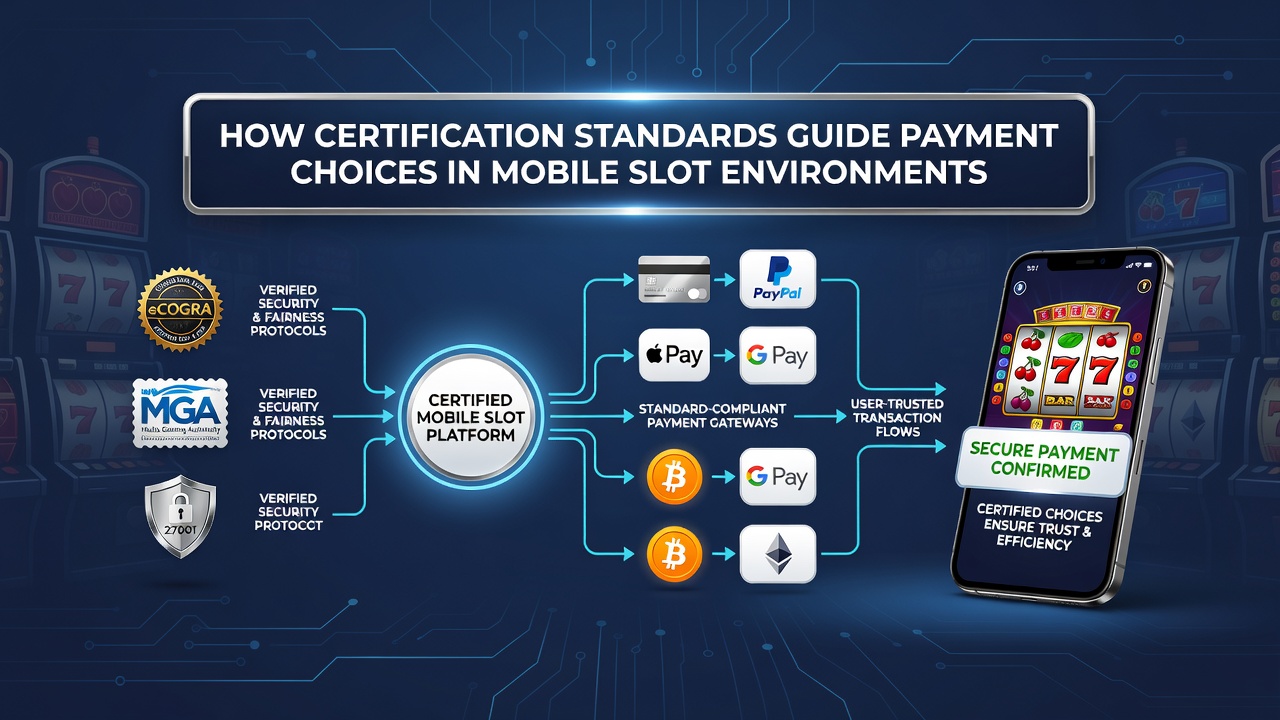
Organizations such as Gaming Laboratories International and eCOGRA conduct rigorous audits that extend beyond random number generators to include payment gateway integrations, and these reviews require documented evidence that each processor maintains PCI DSS Level 1 compliance along with region-specific data protection measures. Observers note that platforms targeting multiple jurisdictions often standardize on a narrow set of certified providers because maintaining separate payment stacks for each market raises both costs and audit complexity, while unified systems simplify ongoing certification renewals that occur at regular intervals.
Data from industry reports indicate that certification timelines directly influence which payment methods appear in mobile slot environments, since new providers must complete integration testing before they receive clearance. In August 2026 several operators introduced digital wallet options only after completing extended validation cycles that confirmed compatibility with updated tokenization standards, and those additions followed documented approval from the relevant testing laboratories rather than internal decisions alone.
Security Protocols Driving Provider Selection
Payment processors must demonstrate resistance to specific attack vectors during certification, which includes penetration testing of API endpoints used by mobile applications and verification that customer funds remain segregated according to regulatory trust account rules. Those who've studied audit summaries point out that processors failing any single criterion are removed from consideration, narrowing the field to providers already holding active certifications across the operator's target markets.
Regional Variations in Standards Application
North American regulators emphasize real-time monitoring of transaction flows, whereas European and Australian frameworks place heavier weight on consumer data portability and refund timelines, and these differences lead operators to maintain region-specific payment menus even within the same mobile application. Figures released by the PCI Security Standards Council show that certified gateways process mobile transactions with lower dispute rates when they incorporate device fingerprinting and behavioral analytics that align with the certification requirements of each jurisdiction.
Impact on User Transaction Options
Mobile slot environments typically surface only those payment methods that have cleared both gaming certification and financial services compliance checks, which explains why certain popular digital wallets appear in some regions but remain unavailable in others despite identical app versions. Researchers tracking adoption patterns found that operators introduce new payment rails only after the certification body confirms the processor meets both technical and financial safeguards, creating a staggered rollout schedule that users observe as gradual menu expansions over several months.
Studies examining transaction logs reveal that platforms using multiple certified providers experience fewer interruptions during peak play periods because failover mechanisms between gateways receive explicit approval during the certification process, and these redundancies must be tested and documented before launch. The reality is that payment choices in mobile slots reflect the intersection of technical capability and documented compliance rather than marketing preference alone.
Documentation and Renewal Cycles
Certification does not end at initial approval because annual or semi-annual renewals require fresh evidence that payment integrations continue to meet current standards, and any changes to processor infrastructure trigger supplemental reviews. Operators therefore maintain detailed records of every payment-related update, which influences how quickly new methods can be added and how existing options are retired when support from the certified provider ends.
According to documentation from independent testing agencies, processors that demonstrate consistent compliance across renewal cycles gain preference for new integrations because they reduce the administrative burden on operators seeking simultaneous certification for gaming and financial components. This preference manifests in mobile slot environments as stable, limited sets of payment options rather than frequent experimentation with unproven providers.
Conclusion
Certification standards function as the gatekeepers that determine which payment methods operators can safely offer within mobile slot environments, and the documented requirements around security, segregation of funds, and ongoing monitoring shape both initial selections and subsequent updates. As regulatory expectations continue to develop, the alignment between certified gaming platforms and certified payment processors remains the primary mechanism ensuring consistent transaction options across jurisdictions and device types.