Examining Correlations Between App Store Compliance Rules and the Design of Progressive Prize Pools in Virtual Casino Environments
Written by Theo Lehmann · May 26, 2026
Examining Correlations Between App Store Compliance Rules and the Design of Progressive Prize Pools in Virtual Casino Environments
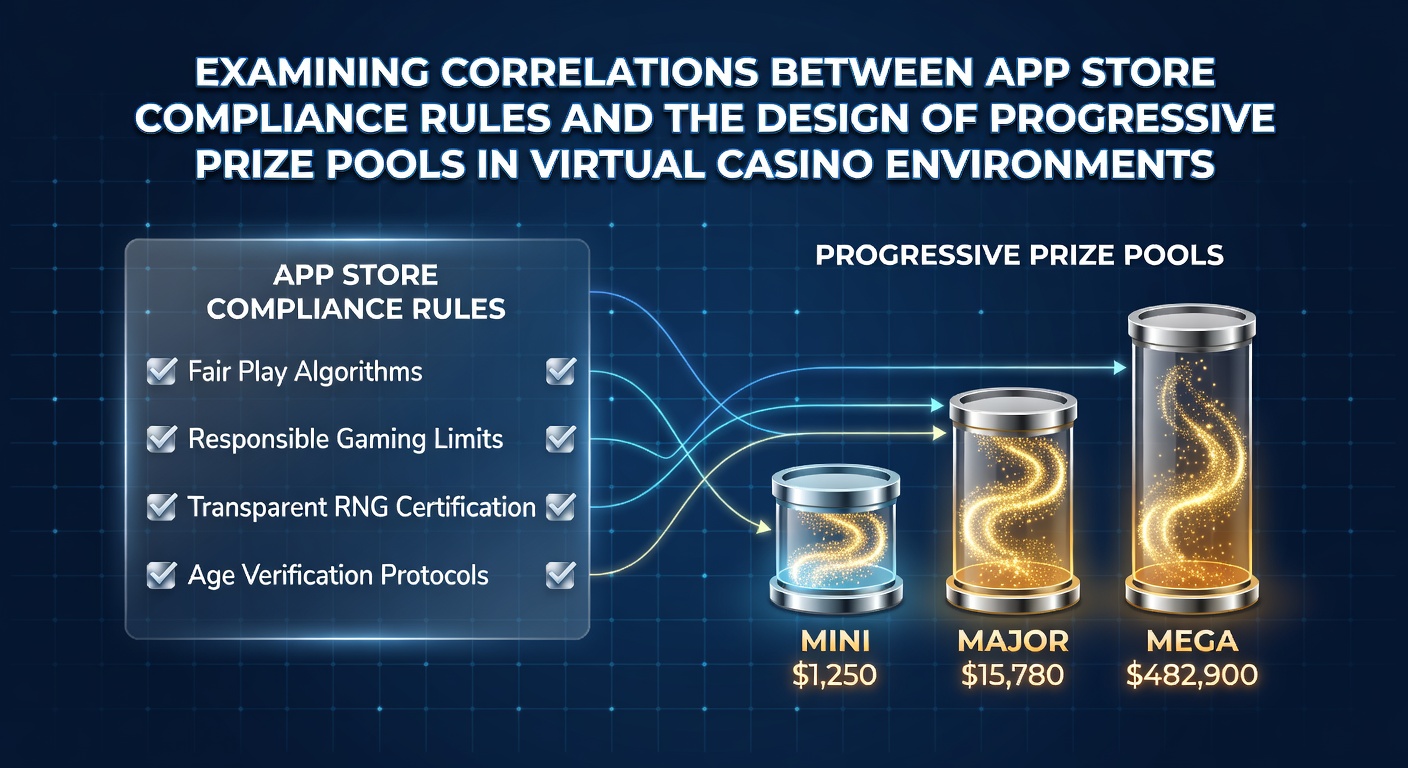
App store compliance rules from major platforms shape how developers structure progressive prize pools in virtual casino environments, and data from multiple regulatory bodies shows these constraints influence everything from currency mechanics to jackpot accumulation methods. Researchers at institutions tracking digital gaming have mapped direct links between Apple and Google policies on real-money transactions and the shift toward hybrid reward systems that avoid direct cash betting within apps. Those patterns emerge clearly when examining how pools grow through virtual item purchases rather than traditional wagers, while still delivering escalating prize values that mimic land-based progressive slots.
App Store Guidelines and Their Reach Into Gaming Design
Apple's App Store Review Guidelines and Google's Play policies restrict apps that facilitate real-money gambling without proper licensing, which forces virtual casino developers to redesign progressive elements around compliant frameworks. Studies from the National Conference of State Legislatures indicate that states without full online gaming authorization see developers pivot to sweepstakes-style models where prize pools accumulate via virtual currency sales instead of direct deposits. This approach maintains user engagement through escalating jackpots while sidestepping prohibitions on unauthorized financial transfers, and compliance teams at major studios document these adjustments in internal reports that track rejection rates during app submissions.
Observers note that both platforms enforce strict separation between in-app purchases and gambling outcomes, which means progressive prize pools often rely on layered point systems that convert purchases into entries without promising cash equivalents upfront. Data from the Australian Communications and Media Authority reveals similar patterns in regions with tight digital transaction oversight, where developers adjust pool growth rates to align with rules on loot box transparency and randomized rewards. These changes appear consistently across iOS and Android releases, creating measurable differences in how quickly pools reach threshold levels compared to unrestricted web-based platforms.
Progressive Prize Pool Mechanics Under Compliance Pressure
Progressive prize pools in virtual environments typically build through a percentage of player activity, yet app store rules push designers toward structures that use non-cash currencies to fund growth. Industry reports show developers now calibrate contribution rates based on virtual goods sales volume, which allows pools to expand without triggering direct gambling classifications during review processes. This design shift maintains the thrill of growing jackpots while ensuring the underlying mechanics stay within permitted boundaries for randomized rewards.
Those who've analyzed submission data across 2025 releases find that pools tied exclusively to skill-based or social features receive faster approvals, prompting studios to integrate tournament-style contributions that feed into larger progressive totals. Canadian regulatory summaries highlight how provincial frameworks interact with these app-level constraints, resulting in hybrid models where prize values scale with engagement metrics rather than wager amounts alone. Developers document these adaptations through version histories that demonstrate iterative tweaks to accumulation algorithms following initial rejections.
Observable Correlations in Recent Platform Updates
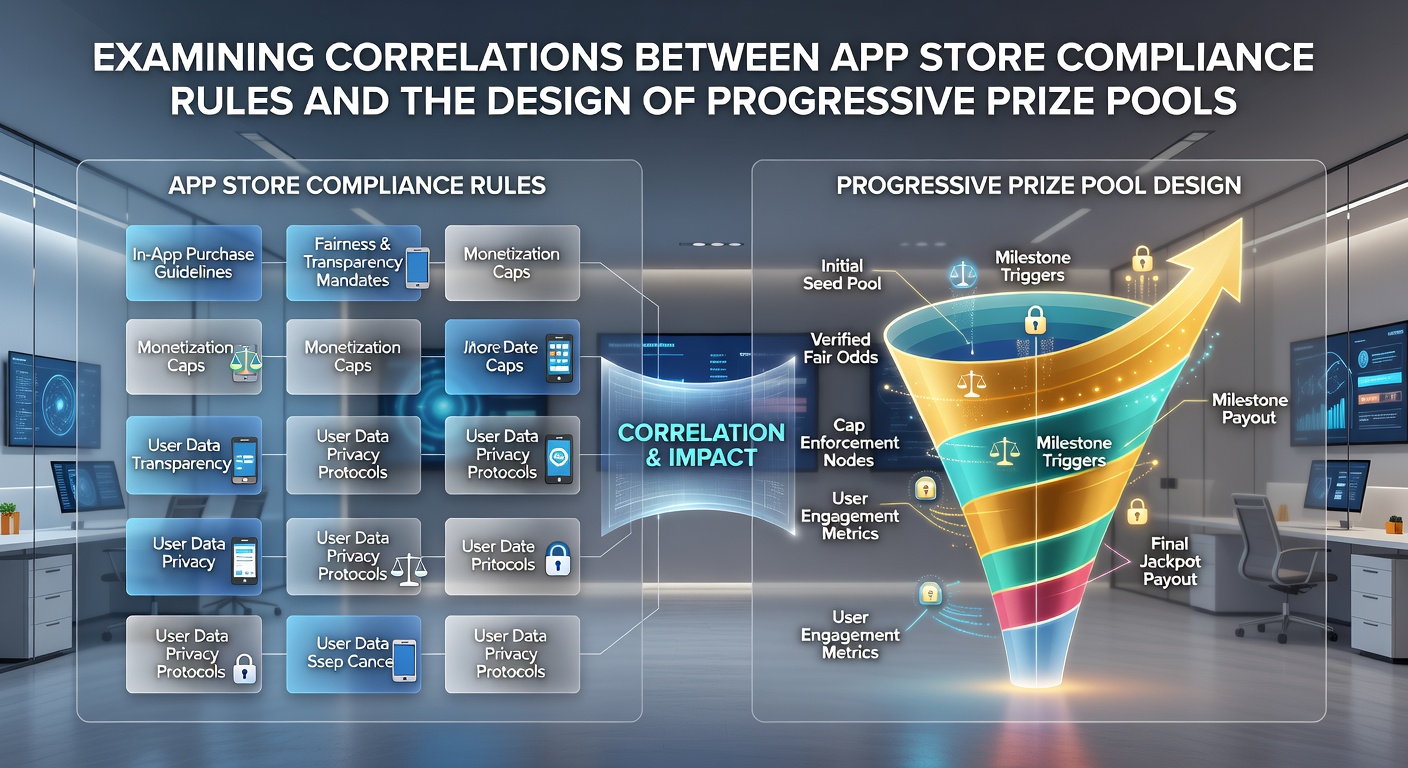
Evidence suggests clear correlations emerge when comparing pre- and post-compliance versions of the same virtual casino titles, with pool designs showing reduced reliance on direct monetary inputs after app store feedback cycles. Research indicates developers now embed secondary virtual economies that channel purchases into prize pools through conversion layers, preserving growth trajectories while satisfying transaction rules. This pattern holds across multiple titles launched during May 2026 expansions, where new market entries adopted these layered structures from the outset to streamline approvals.
What's interesting is how these rules affect jackpot visibility and payout structures, with designers opting for capped or tiered pools that reset more frequently to manage compliance risks around large-scale randomized rewards. Academic papers examining digital gaming ecosystems document how such adjustments correlate with lower app rejection rates, particularly when pools incorporate social or community contribution elements that dilute the perception of pure chance-based gambling. Data from European gaming associations further supports these observations, showing regional variations in pool sizing tied to local interpretations of app store standards.
Implementation Examples Across Virtual Platforms
One studio that adjusted its flagship virtual casino title in early 2026 restructured its progressive pool to draw from a virtual token marketplace, resulting in smoother app reviews and sustained player participation metrics. Similar cases appear in reports where developers replaced traditional seed funding with purchase-based contributions, allowing pools to scale while remaining compliant. These modifications demonstrate how rule adherence directly informs architectural choices around accumulation speed and visibility features within the app interface.
Additional examples from North American deployments show teams incorporating time-based multipliers that boost pool growth during peak hours without altering core compliance posture. Such tactics reflect broader industry responses where designers balance engagement goals against the technical requirements imposed by app distribution platforms, and tracking data reveals consistent outcomes in approval timelines when these strategies are applied early in development.
Conclusion
Correlations between app store compliance rules and progressive prize pool design continue to drive innovation in virtual casino environments, with developers adapting accumulation methods to fit transaction and reward guidelines. Figures from multiple oversight bodies confirm these adaptations produce measurable differences in pool mechanics and submission success rates across platforms. The ongoing evolution points toward further integration of layered virtual systems that sustain jackpot growth within established boundaries.