Governor Spanberger Vetoes Fairfax County Casino Bill, Citing Need for Stronger State Oversight
Written by Rafael Lange · Apr 12, 2026

Governor Spanberger Vetoes Fairfax County Casino Bill, Citing Need for Stronger State Oversight
The Veto That Stopped a Northern Virginia Gaming Push
Virginia Governor Abigail Spanberger, a Democrat serving in April 2026, delivered a decisive blow to proponents of expanded gambling when she vetoed a bill authorizing a casino resort development in Fairfax County, northern Virginia's bustling suburbs just outside Washington, D.C.; the legislation, which had garnered support from local business interests and some lawmakers hoping to boost tourism and tax revenue, met resistance due to what the governor described as inadequate regulatory safeguards baked into its framework.
News outlets like World Casino Directory and Casino.org first broke the story, highlighting how Spanberger's action underscores ongoing tensions between economic development ambitions and the push for robust consumer protections in the state's evolving gaming landscape.
But here's the thing: this isn't just a one-off rejection; observers note it fits squarely into Spanberger's track record of scrutinizing gaming expansions, where she's consistently prioritized enhanced state authority over lottery officials and gaming commissions before greenlighting new projects.
Breaking Down the Fairfax County Bill
The proposed measure, introduced earlier in the 2026 legislative session, aimed to license and greenlight a full-scale casino resort complete with slots, table games, hotels, and entertainment venues on a site in Fairfax County; backers argued it would generate millions in annual revenue—estimates from supporters pegged it at over $300 million yearly for state coffers—while creating thousands of jobs in an area already primed for high-end leisure developments.
Proponents, including Fairfax business leaders and regional economic development groups, pointed to nearby successes like Maryland's MGM National Harbor casino, which pulls in gamblers from the D.C. metro and funnels significant tax dollars back to state programs; yet, the bill's language granted local authorities primary permitting power, with the Virginia Lottery retaining only secondary oversight roles, a structure that raised red flags for the governor's office.
What's interesting is how the bill navigated the General Assembly: it passed both chambers with bipartisan backing, reflecting Virginia's pragmatic approach to gaming since voters approved commercial casinos in a 2020 referendum; that said, Spanberger's veto letter, released publicly on April 15, 2026, zeroed in on specifics, demanding explicit provisions for problem gambling mitigation, stricter operator licensing tied to background checks, and real-time audit powers for state regulators before she'd reconsider.
Spanberger's Stated Reasons: Regulatory Gaps Front and Center
In her veto message, Governor Spanberger emphasized that the bill fell short on empowering the state with sufficient tools to monitor operations, prevent money laundering, and enforce compliance across a project expected to draw crowds from across the mid-Atlantic; she called for amendments mirroring models in other jurisdictions, where gaming boards wield direct intervention rights, including on-site inspections and revenue verification protocols.
Data from the American Gaming Association underscores why this matters: states with comprehensive oversight see lower incidence rates of gaming-related harms, with Virginia's current framework—post-2020 expansions—already managing five operational casinos in cities like Richmond and Portsmouth generating $500 million in taxes since 2022.
And while the veto halts this particular Fairfax push, it leaves the door cracked for revisions; lawmakers now face the ball in their court, as the General Assembly could attempt overrides or craft a reworked version in upcoming sessions, though historical patterns suggest sustained gubernatorial pushback on weakly regulated proposals.
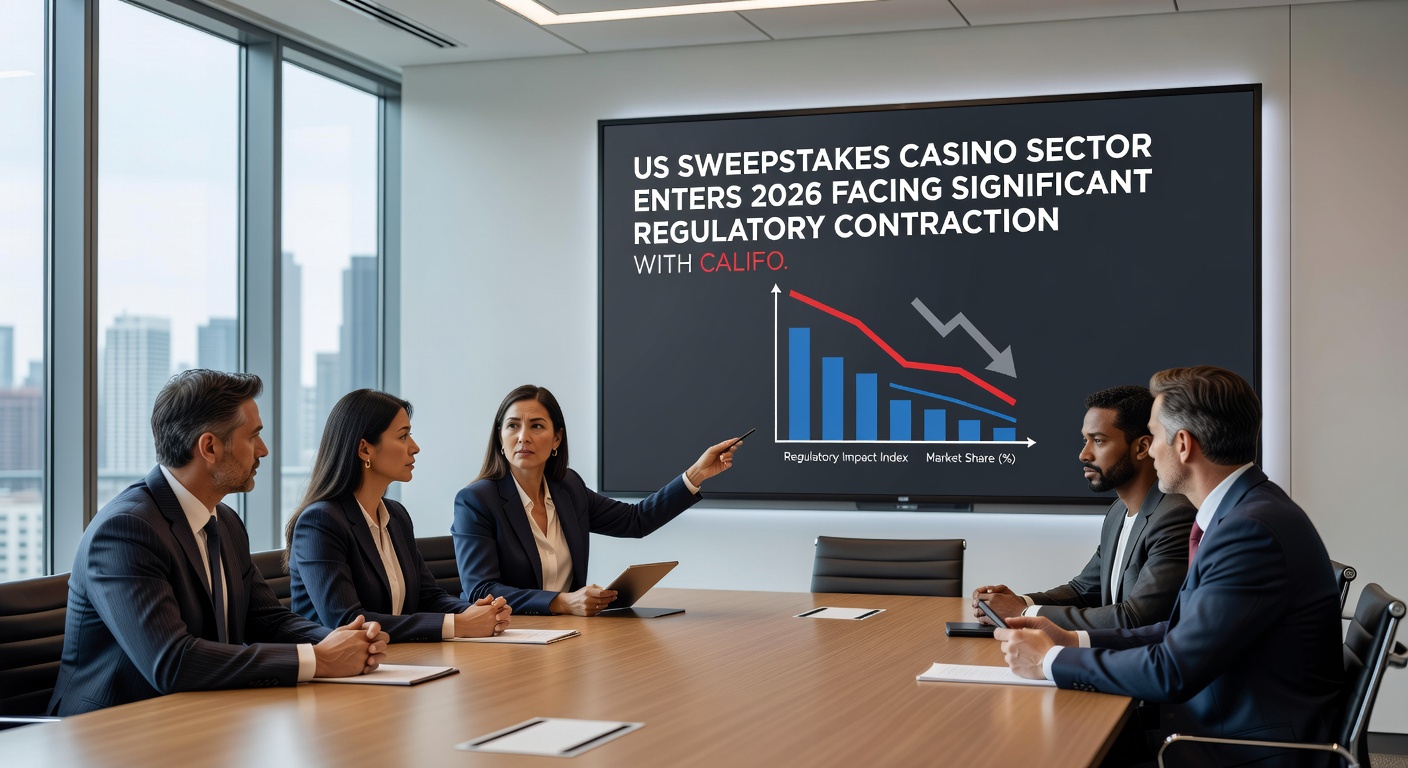
Virginia's Gaming Evolution and the Veto Pattern
Virginia's foray into commercial casinos traces back to that pivotal 2020 ballot measure, which amended the state constitution to permit up to five projects in designated cities—Norfolk, Danville, Bristol, Portsmouth, and Richmond—each now operational or under construction, pouring billions into local economies while the Virginia Lottery oversees licensing and collects a 15% to 18% tax slice depending on gross gaming revenue tiers.
Take one case in point: the Temporary Allegacy Gaming Resort in Richmond, which opened phases amid delays and now contributes steadily to city revitalization funds; yet, Spanberger has vetoed at least three similar bills since taking office, including proposals for a Prince William County horse track with slots and an expansion in Henrico, each time citing parallel concerns over diluted state control versus local autonomy.
Researchers who've tracked these moves, drawing from reports by the Virginia Joint Legislative Audit and Review Commission, observe a clear strategy: governors leveraging veto power to mold the industry toward sustainability, especially as neighboring states like Maryland and West Virginia intensify competition with their own resorts boasting integrated entertainment hubs.
Now, with Fairfax's affluent demographics—median household incomes topping $130,000—and proximity to federal workers, the veto sparks questions about untapped potential; stakeholders whisper that a beefed-up regulatory bill could return stronger, perhaps bundling in sports betting enhancements or online gaming tie-ins, sectors where Virginia already leads with $1.2 billion wagered monthly as of early 2026 figures.
Stakeholder Reactions Pour In
Developers eyeing the Fairfax site, rumored to include a consortium with experience from Atlantic City and regional projects, expressed disappointment but pivoted quickly to advocacy; one spokesperson noted in post-veto statements that enhanced regs align with their vision, provided they don't stifle investment timelines now stretched by the rejection.
Opponents, ranging from anti-gambling coalitions to traffic-concerned residents' groups, hailed the decision as a win for community safeguards; figures from the Virginia Problem Gambling Resource Office reveal that helpline calls spiked 20% after nearby casino openings, fueling arguments for layered protections like mandatory self-exclusion databases and operator-funded treatment programs.
But turns out, lawmakers aren't backing down entirely: Senate Majority Leader Scott Surovell indicated openness to negotiations, while House Speaker Eileen Filler-Corn stressed bipartisan interest in revenue for education and infrastructure; this dynamic plays out against a backdrop where Virginia's gaming taxes already fund $40 million annually for water quality initiatives, per state budget docs.
It's noteworthy how national trends mirror this: the American Gaming Association's 2025 state of the states report shows 40 U.S. jurisdictions now regulate casinos, with oversight rigor correlating to public approval ratings hovering above 60% in mature markets.
Broader Context: Oversight Lessons from Across the U.S. and Beyond
Comparisons abound with peers like Pennsylvania, where the Gaming Control Board mandates quarterly financial disclosures and tech-driven monitoring, yielding $1.6 billion in taxes last year; or New Jersey, home to Atlantic City, enforcing zero-tolerance policies on underage gambling via facial recognition pilots.
Even internationally, bodies like Australia's New South Wales Independent Liquor & Gaming Authority offer blueprints, requiring venue caps and revenue-sharing formulas that Virginia could adapt; studies from the University of Nevada's International Gaming Institute found such mechanisms cut addiction risks by up to 15%, data that bolsters Spanberger's stance without delving into policy judgments.
So, as Fairfax developers regroup and the General Assembly reconvenes in January 2027, the veto reshapes the conversation around balanced growth; people who've followed Virginia's arc—from skill games crackdowns to full resorts—know that regulatory evolution often follows these high-stakes pauses.
Conclusion
Governor Spanberger's veto of the Fairfax County casino bill in April 2026 spotlights the delicate equilibrium between economic opportunity and ironclad oversight in Virginia's gaming sector; by demanding fortified state mechanisms, the action perpetuates a pattern of measured expansion, even as operational casinos elsewhere prove the model's viability with steady revenue streams fueling public priorities.
Observers anticipate reworked legislation on the horizon, potentially incorporating veto-inspired safeguards that could unlock northern Virginia's dormant potential; until then, the industry's gaze shifts to compliance benchmarks and stakeholder dialogues, where the real work of sustainable gaming takes shape amid Fairfax's competitive landscape.
This episode, rooted in specifics from legislative records and gubernatorial communiques, reminds those tracking the beat that vetoes like these often pave paths to more resilient frameworks down the line.