How Digital Transfer Options Shape Game Selection Habits in Portable Casino Environments
Written by Gisela Brooks · Jul 7, 2026
How Digital Transfer Options Shape Game Selection Habits in Portable Casino Environments
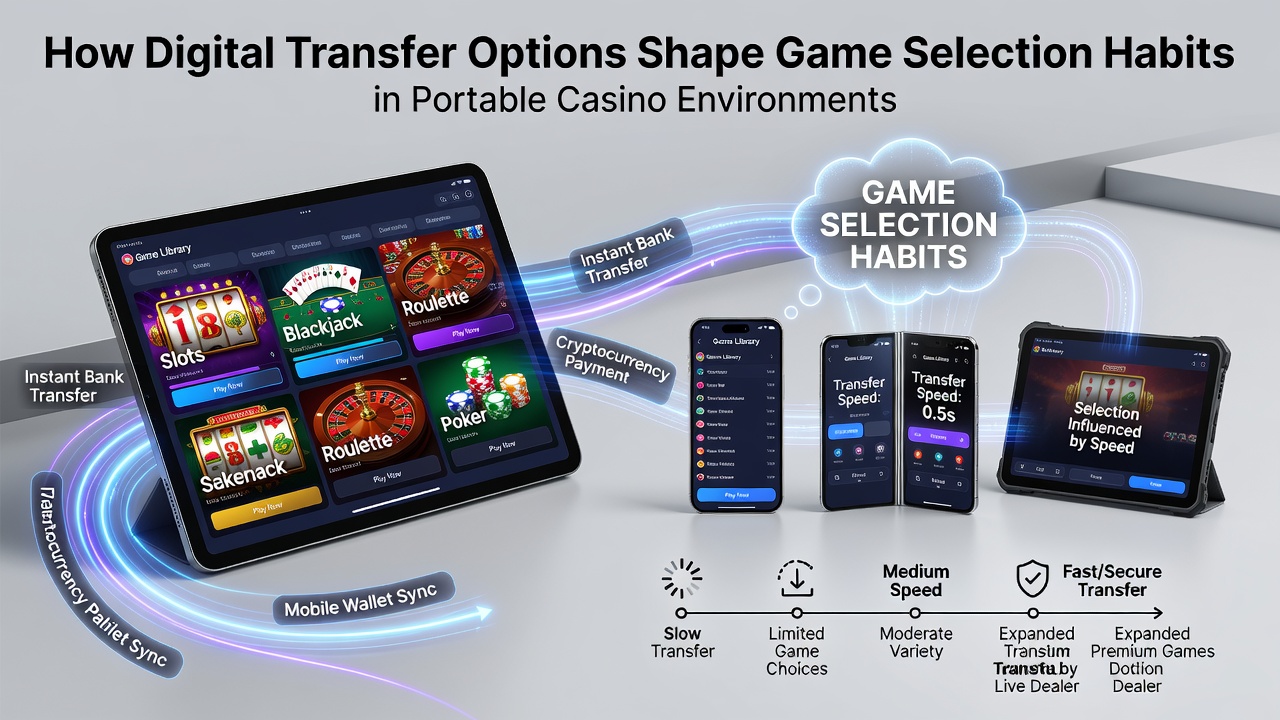
Digital transfer methods have become central to how players navigate portable casino platforms, and data from multiple regions shows clear patterns in game selection tied directly to payment speed, fees, and availability. Research from industry monitoring groups indicates that options like e-wallets, bank transfers, and digital currencies influence whether users gravitate toward quick-session slots or longer-duration table games that require sustained balances.
Portable environments amplify these effects because users often switch between devices and locations throughout the day. Studies tracking session data reveal that when instant deposits are available through certain transfer systems, participation in high-volatility reel games rises noticeably compared to scenarios where processing takes hours.
Payment Speed and Immediate Game Access
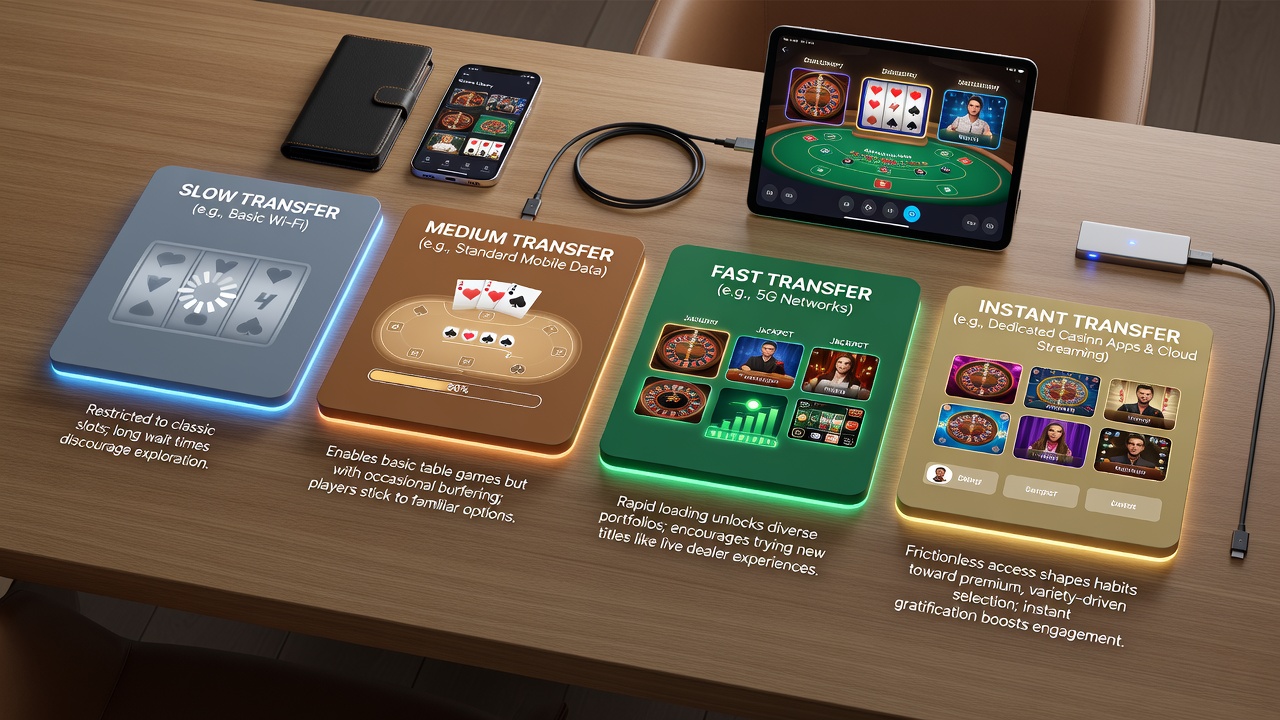
Transfer options that complete in seconds allow players to jump into progressive jackpot titles or live dealer sequences without waiting periods. Figures from North American operators show that platforms supporting rapid e-wallet funding see higher engagement rates with time-sensitive promotions attached to those games. In contrast, slower bank wire methods correlate with selections that favor lower-stakes, extended-play formats where users build balances gradually.
Observers note that this dynamic became especially pronounced during expansion periods in various state markets. Data compiled through mid-2026 demonstrates that users with access to multiple transfer types frequently adjust their choices based on which method they select for a given session.
Regional Regulations and Transfer Availability
Regulatory frameworks across different jurisdictions determine which digital options reach players in portable settings. Canadian provincial systems, for instance, have integrated specific e-wallet standards that tie into broader responsible gaming tools, and participation logs indicate these rules steer users toward certified table game environments over unregulated alternatives. Australian oversight bodies have released reports showing similar shifts when instant transfer limits are adjusted, with documented changes in reel versus card game ratios.
European markets present another layer, where cross-border transfer compatibility affects how mobile users select between local progressive pools and international tournament formats. Evidence gathered by academic research teams suggests these variations create measurable differences in average session length depending on the dominant payment rails in each area.
User Behavior Patterns Across Transfer Types
Analytics platforms tracking portable casino activity have identified recurring associations between payment method and game category. Cryptocurrency transfers, which often bypass traditional banking delays, link to increased selection of high-stakes virtual table options according to aggregated operator reports. Meanwhile, users relying on standard card processing show stronger tendencies toward bonus-round heavy slot machines that accommodate smaller, repeated deposits.
One analysis covering multiple operators found that players who alternate between transfer systems within the same account demonstrate flexible habits, switching game types mid-session when a faster option becomes active. This flexibility appears most clearly in environments where July 2026 regulatory updates expanded approved digital rails for several operators.
Security Features and Their Influence
Transfer systems that incorporate additional verification layers sometimes steer users toward games with built-in pause functions or lower minimum bets. Industry reports from the United States highlight that platforms emphasizing secure instant transfers experience different distribution across game libraries than those using basic processing routes. Researchers examining these trends point to the role of perceived transaction reliability in shaping initial selections upon login.
Portable formats compound this because users frequently manage multiple accounts across devices, and transfer consistency becomes a deciding factor when choosing between quick-play experiences and more complex strategy titles that require stable funding throughout longer sessions.
Conclusion
Digital transfer options continue to intersect with portable casino mechanics in ways that produce observable shifts in game selection across markets. Evidence from regulatory filings, operator analytics, and cross-regional studies demonstrates consistent connections between payment characteristics and user choices, with patterns evolving alongside new system integrations and policy adjustments. These relationships remain central to understanding activity levels in mobile gaming environments.