How Withdrawal Timelines Shape Repeat Engagement Patterns Among Mobile Slot Enthusiasts
Written by Theo Lehmann · Jun 21, 2026
How Withdrawal Timelines Shape Repeat Engagement Patterns Among Mobile Slot Enthusiasts
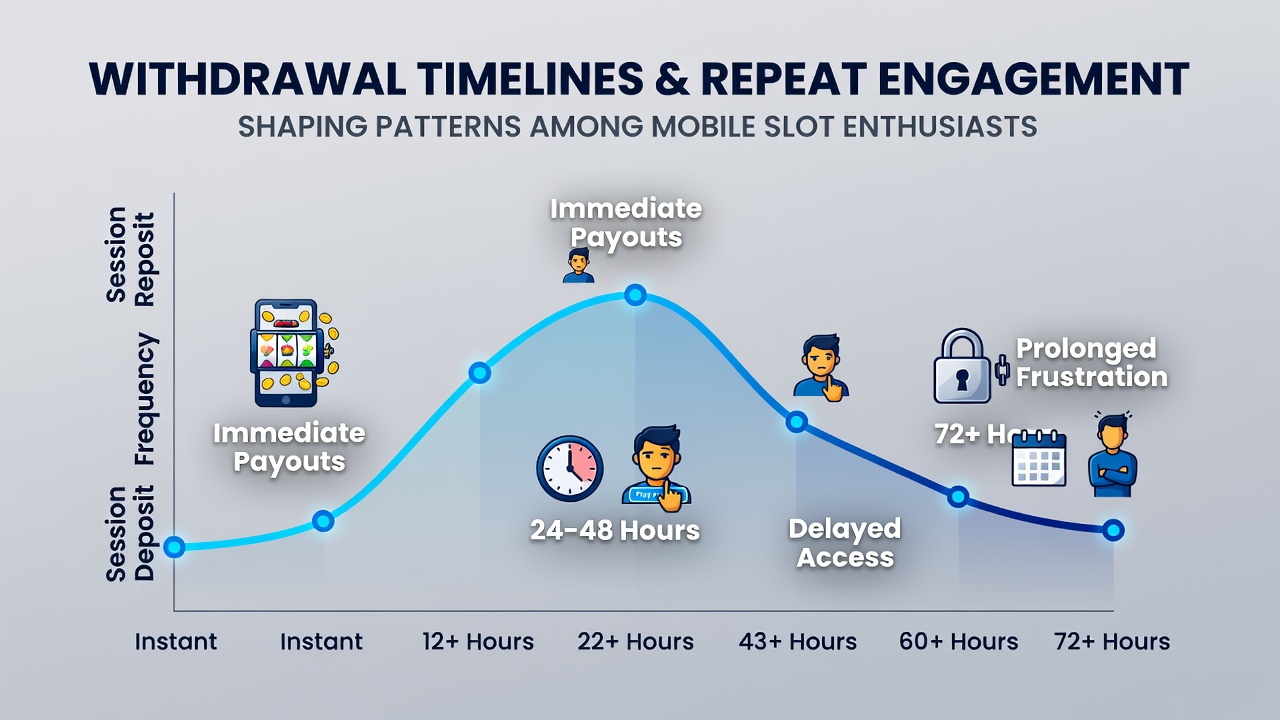
Mobile slot enthusiasts experience distinct engagement cycles that often tie directly to the speed of fund access after play sessions end, and researchers tracking user data across multiple platforms have documented how these timelines influence return frequency and session length. Studies from academic institutions reveal that shorter processing periods encourage continued participation, whereas extended waits lead to noticeable drops in repeat logins within the first week after a withdrawal request.
Core Mechanics of Withdrawal Processing in Mobile Slots
Platforms structure withdrawal options through several verified methods including e-wallets, bank transfers, and prepaid cards, each carrying its own standard timeline that ranges from instant approvals to multi-day clearances. Data collected by regulatory bodies in regions like Nevada and New Jersey shows that e-wallet transactions complete within hours in most cases, while traditional bank routes extend to three or five business days depending on verification steps. Observers note that these differences become apparent when players compare experiences across apps, leading some to favor operators with streamlined systems over those requiring additional documentation rounds.
Verification protocols add another layer, since initial account checks must occur before any funds move, and subsequent requests sometimes trigger extra reviews if activity patterns deviate from established norms. Industry reports indicate that players who complete verification early encounter fewer interruptions, allowing them to maintain momentum in their gaming routines without extended pauses between sessions.
Observed Shifts in Return Rates and Session Frequency
Engagement metrics collected over multi-month periods demonstrate clear correlations between withdrawal speed and how often users reopen apps after cashing out. When processing finishes quickly, return visits rise within 48 hours, whereas delays beyond 72 hours coincide with reduced activity that can persist for weeks. Analysts examining datasets from North American markets point out that this pattern holds across demographic groups, though younger users show slightly higher sensitivity to timing than older cohorts who prioritize security checks.
One longitudinal review conducted by a Canadian research center tracked thousands of accounts and found that instant payout users averaged 2.4 sessions per week compared with 1.1 sessions among those facing standard bank delays. The gap narrowed somewhat when operators introduced progress notifications, yet the overall trend remained consistent through the study window. Such findings align with broader observations from Australian regulatory summaries released in early 2026, which highlighted similar retention differences tied to transaction velocity.
Regional Developments and June 2026 Market Adjustments
Policy updates rolling out in June 2026 across several U.S. states introduced new reporting requirements for payout timelines, prompting operators to publish average processing statistics on their mobile interfaces. These disclosures allow enthusiasts to compare options more directly before committing funds, and early data from compliance filings suggests increased player movement toward platforms advertising sub-24-hour e-wallet handling. European operators meanwhile adjusted their internal benchmarks to match emerging transparency standards, resulting in modest upticks in documented repeat engagement from cross-border users.
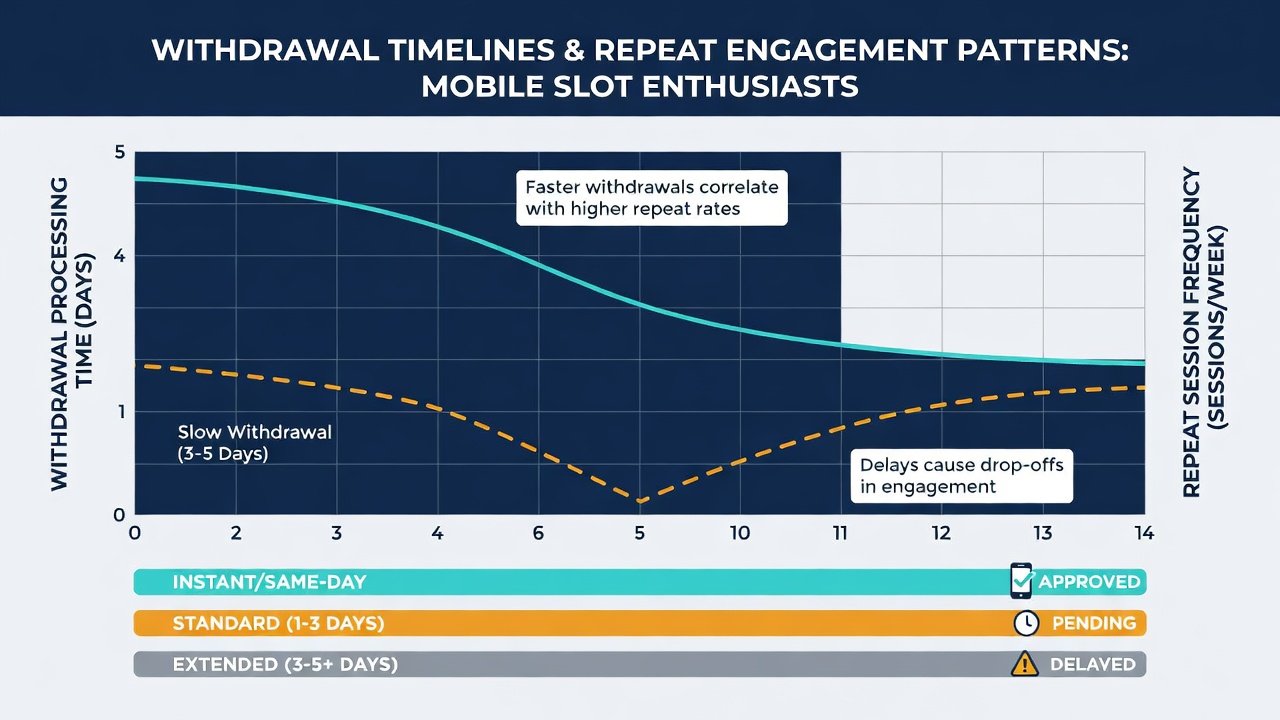
Payment provider partnerships also evolved during this period, with several major apps integrating additional instant options that bypass traditional banking queues entirely. Those integrations produced measurable lifts in session restarts according to internal platform analytics shared with trade associations, confirming that reduced friction at the exit point sustains user interest more effectively than promotional bonuses alone.
Behavioral Patterns Across Different Player Segments
High-frequency players tend to cluster around services offering the fastest turnaround, creating self-reinforcing loops where quick access funds get redeposited within the same day. Moderate participants display more variable responses, sometimes spacing out returns regardless of timeline yet still showing preference for predictable processing over erratic waits. Research compiled by university teams in Australia further separates these groups by noting that recreational users place greater weight on overall platform stability, while dedicated enthusiasts prioritize transaction speed as a deciding factor in loyalty.
Seasonal fluctuations appear in the data as well, with engagement spikes during holiday periods amplifying the effects of withdrawal speed because more users request payouts simultaneously. Platforms that maintain consistent performance through these peaks retain higher portions of their active base compared with those experiencing temporary slowdowns from volume surges.
Conclusion
Withdrawal timelines function as a measurable driver within mobile slot ecosystems, shaping how frequently enthusiasts return and how long they remain active after each cash-out event. Evidence gathered from regulatory filings, academic reviews, and industry analytics consistently points to faster processing as a factor that supports sustained participation across varied markets. As operators continue refining their systems in response to both player expectations and policy shifts like those noted in mid-2026, the relationship between access speed and engagement patterns will likely remain a central focus for ongoing observation and platform development.