Mapping User Journeys Through Tiered Reward Systems in Virtual Gaming Spaces
Written by Yara Coleman · May 19, 2026
Mapping User Journeys Through Tiered Reward Systems in Virtual Gaming Spaces
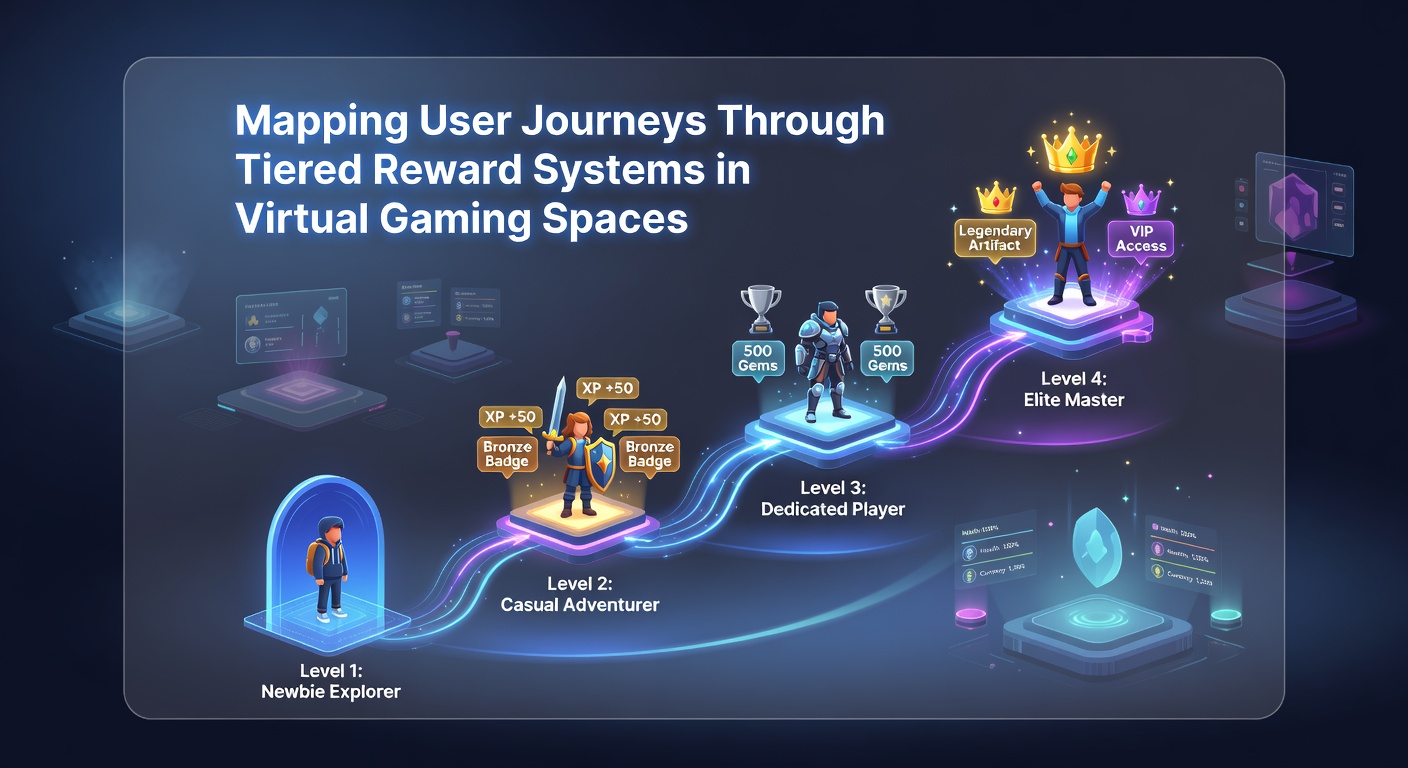
Virtual gaming spaces rely on tiered reward systems to guide player progression from initial entry points through sustained engagement and long-term retention, with each level unlocking specific benefits that align with user behavior patterns. Researchers track these journeys by collecting interaction data at every stage, from account creation and tutorial completion to repeated sessions where players advance through bronze, silver, gold, and platinum tiers. Data shows that players who receive incremental rewards at predictable intervals demonstrate higher completion rates for daily objectives compared to those in flat reward structures.
Defining Tiered Structures in Digital Environments
Platforms organize rewards into progressive layers where entry-level access grants basic items such as cosmetic upgrades or experience multipliers, while higher tiers deliver exclusive access to limited events, personalized avatars, and priority matchmaking queues. Observers note that these layers create clear milestones that map directly onto measurable actions like total playtime, social invites sent, and in-game purchases completed. Studies from institutions like the University of Nevada Las Vegas reveal how progression velocity changes when reward frequency adjusts according to regional player demographics.
Stages of User Journey Mapping
Analysts break user pathways into distinct phases that begin with onboarding flows and extend through retention loops, where each phase collects telemetry on decision points such as reward selection and tier advancement triggers. In the discovery phase players explore entry rewards while the system logs initial session duration and feature usage rates, then transitions into an accumulation phase where cumulative activity feeds into tier calculations. Advanced phases involve optimization loops where experienced users strategize around seasonal events that reset or elevate tier standings.
Mapping tools integrate heatmaps of navigation paths with reward claim timestamps, allowing developers to identify friction points where players abandon progression before reaching the next threshold. Those who study these systems find that visual progress bars combined with immediate feedback notifications reduce drop-off rates between tiers by measurable margins across multiple platforms. What's interesting is how mobile interfaces compress these journeys compared to desktop versions because touch-based reward claims occur more frequently during short sessions.
Data Patterns Across Platforms
Figures from industry reports indicate that virtual environments incorporating dynamic tier resets tied to calendar events see increased activity spikes in the weeks leading into major updates. Platforms preparing expansions scheduled for May 2026 have begun adjusting their mapping algorithms to account for cross-device synchronization so that mobile and console users maintain consistent tier status regardless of play location. Research indicates these adjustments stem from aggregated datasets showing that 68 percent of active accounts switch devices at least once per week.
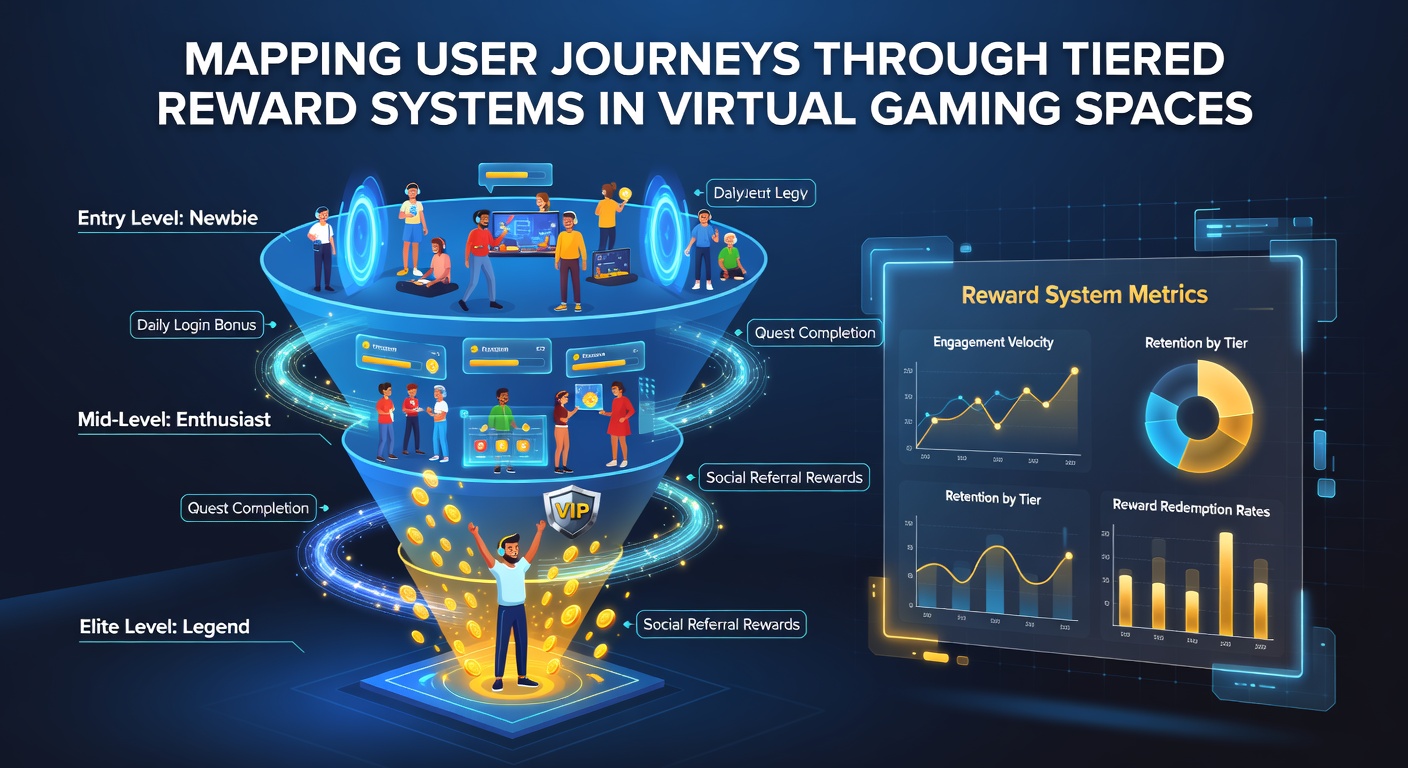
According to findings published by the Responsible Gambling Council in Canada, tiered systems that incorporate social sharing mechanics extend average journey length because players receive additional rewards for inviting peers who then enter at lower tiers. The council's longitudinal tracking demonstrates measurable differences in session frequency when social multipliers activate at specific thresholds. European platforms have adopted similar frameworks following guidelines from the European Gaming and Betting Association that emphasize transparent tier criteria and clear communication of advancement requirements.
Implementation Across Virtual Spaces
Developers integrate journey mapping software directly into backend analytics suites so that real-time adjustments to reward values respond to collective player behavior rather than fixed schedules. One case involved a large-scale virtual world where observers tracked how removing a mid-tier gate increased overall advancement speed yet reduced perceived value among long-term participants who had previously worked through that gate. Subsequent refinements restored balance by introducing alternative paths that preserved exclusivity while shortening wait times for newer entrants.
Seasonal campaigns further complicate mapping because temporary overlays such as limited-time tiers create branching journeys that converge back into the permanent structure once events conclude. Those who've examined post-event data note that players who achieved event-specific tiers often carry forward residual benefits that influence their starting position in the next cycle. This carryover effect appears strongest in environments where virtual economies allow reward items to retain tradable value after the seasonal period ends.
Conclusion
Mapping user journeys through tiered reward systems provides virtual gaming platforms with precise visibility into engagement cycles that span from first login to sustained loyalty. Continued refinement of these maps relies on expanding datasets that capture device transitions, social interactions, and seasonal fluctuations, particularly as new features roll out during periods such as May 2026 expansions. The resulting insights support iterative design choices that maintain progression clarity while accommodating diverse player behaviors across global user bases.