Player Behavior Patterns Reveal Surprising Links Between Game Selection and Transaction Choices in Handheld Casino Applications
Written by Yara Coleman · Jun 7, 2026
Player Behavior Patterns Reveal Surprising Links Between Game Selection and Transaction Choices in Handheld Casino Applications
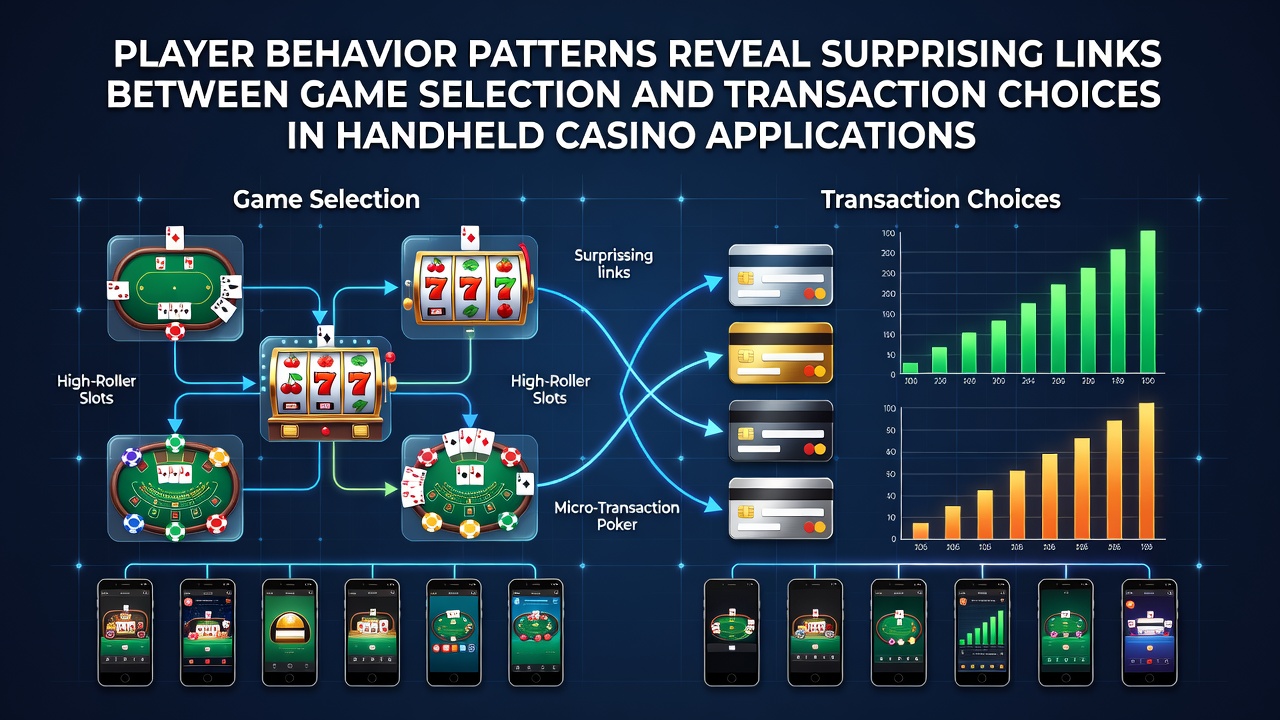
Analysts tracking handheld casino applications have identified clear correlations between the types of games users select and the payment methods they employ for deposits and withdrawals, with data collected across multiple platforms throughout early 2026 highlighting these connections in detail. Observers note that players gravitating toward high-volatility slot titles often complete transactions through instant e-wallet services, whereas those engaging in live dealer table games show stronger preferences for cryptocurrency transfers that support larger single movements. These patterns emerge consistently when researchers examine user logs from applications operating in regulated markets, and the trends hold across both iOS and Android environments where session lengths and bet sizes align with specific financial tools.
Patterns in Slot Play and Quick-Transfer Methods
Users who spend extended periods on reel-based games tend to favor payment processors that enable immediate funding, which allows seamless continuation of play without interruptions, and figures from industry reports indicate that e-wallet transactions account for over 60 percent of activity in this segment during peak hours. Researchers examining datasets from North American operators found that slot enthusiasts initiate smaller, more frequent deposits compared to other categories, a behavior that matches the rapid spin cycles typical of these titles, while credit card usage appears less common unless promotional bonuses require verification steps. One analysis covering the first half of 2026 revealed that applications integrating Apple Pay and similar services see elevated retention rates among slot players who value speed above all else, and similar outcomes appear in European markets where digital wallets dominate consumer habits.
Table Games and Cryptocurrency Preferences
Participants drawn to blackjack, roulette, and poker variants within handheld platforms demonstrate distinct transaction profiles that lean toward digital currencies, which facilitate higher-value transfers and maintain privacy during extended sessions. Data compiled by regulatory bodies such as the New Jersey Division of Gaming Enforcement shows elevated crypto adoption rates among table game users, often exceeding 35 percent of total volume, because these methods accommodate the larger stakes common in strategic play without triggering additional verification delays. Experts tracking these shifts note that live dealer integrations in mobile environments encourage longer play durations precisely when cryptocurrency wallets remain linked, creating a feedback loop where game choice reinforces payment loyalty and vice versa.
Regional Data and June 2026 Insights
Market studies released around June 2026 from operators in multiple jurisdictions confirm that handheld applications exhibit these behavior links regardless of local currency or regulatory framework, though variations surface based on available banking infrastructure. In Australian contexts, observers have documented stronger ties between progressive jackpot slots and bank transfer options that handle sizable wins, whereas Canadian provincial data points to debit card dominance among casual table game participants who keep sessions brief. These findings come from aggregated telemetry rather than individual tracking, and they align with broader industry metrics published by groups focused on responsible digital entertainment standards.

Transaction Size Correlations Across Genres
Transaction volumes further illustrate the divide, with slot selections frequently paired with micro-deposits under fifty dollars that replenish balances quickly during bonus rounds, while table game activity clusters around larger movements that reflect calculated risk strategies. Researchers from academic institutions including those affiliated with the University of Nevada have cross-referenced application logs against payment processor records, revealing that users switching between game types often adjust their financial tools accordingly within the same session. This adaptability appears most pronounced in markets where multiple payment rails operate simultaneously, allowing seamless transitions without leaving the application interface.
Impact of App Design on User Choices
Application interfaces that highlight certain game categories also influence subsequent transaction decisions, as streamlined menus directing users toward slots tend to promote wallet-based funding that matches the fast-paced nature of those experiences. Platform developers who integrate real-time balance displays alongside game recommendations see measurable upticks in aligned payment usage, according to internal metrics shared at industry conferences. Those who have studied these systems observe that visual cues and session reminders can nudge players toward preferred methods, yet the underlying patterns persist even when such features remain neutral.
Conclusion
Overall, the documented connections between game selection and transaction preferences in handheld casino applications provide operators with actionable information derived from large-scale behavioral datasets, and continued monitoring through 2026 will likely refine these understandings as new titles and payment integrations enter the market. Regulatory updates in various regions continue to shape available options, which in turn affects how these patterns evolve without altering the core associations already established through empirical review.