Reward Tier Systems Driving Longer Sessions in Mobile Live Dealer Platforms
Written by Gisela Brooks · Aug 23, 2026

Reward Tier Systems Driving Longer Sessions in Mobile Live Dealer Platforms
Platform operators structure reward tiers through point accumulation systems where players advance from entry levels to premium status based on cumulative activity, and these mechanics directly correlate with extended engagement periods across mobile live dealer environments. Data from multiple operators indicates that participants in higher tiers maintain average session durations 35 to 60 percent longer than those in base categories, because unlockable benefits such as reduced house edges, priority table access, and personalized dealer interactions create ongoing incentives to continue play.
Mechanics typically operate on a rolling qualification period, often 30 or 90 days, during which wager volume converts into tier points at varying rates depending on game type, and live dealer tables frequently award accelerated points compared to automated options. Once a player reaches silver or gold status, platforms introduce time-sensitive rewards including free bet credits and cashback percentages that reset monthly, prompting users to log in regularly and sustain longer individual sessions to maximize those benefits before expiration.
Mechanics Behind Tier Progression and Time Spent
Live dealer platforms calculate progression through a combination of total handle and frequency metrics, whereas many systems also factor in consecutive login streaks that multiply point earnings. A player who reaches platinum status, for instance, gains access to private tables with higher betting limits and exclusive tournament entries, and these privileges encourage extended participation because the value per minute of play increases noticeably at upper levels. Research from gaming analytics firms shows that platinum-tier users average 48-minute sessions on mobile live blackjack and roulette compared to 22 minutes for entry-level accounts, and the gap widens further when platforms introduce tier-specific multipliers on loyalty rewards.
August 2026 updates across several major operators introduced dynamic tier resets tied to regional regulatory calendars, and these changes have produced measurable shifts in session patterns. Operators in regulated markets now display real-time progress bars within teh app interface that highlight how close a user sits to the next reward threshold, and this visibility keeps participants engaged longer as they chase incremental benefits rather than exiting after a fixed number of hands.
Observed Patterns Across Different Platforms
Comparative data collected from North American and European operators reveals consistent trends where tiered reward structures extend average play windows, particularly during evening hours when live dealer availability peaks. Mobile apps that integrate push notifications about imminent tier upgrades or expiring perks report higher retention rates, and session logs indicate that users who receive such alerts extend their time on platform by an average of 14 minutes per instance. Those who've studied these systems note that the effect compounds because higher-tier players receive invitations to limited-time events such as celebrity-hosted tables or accelerated point days that require sustained presence to fully utilize.
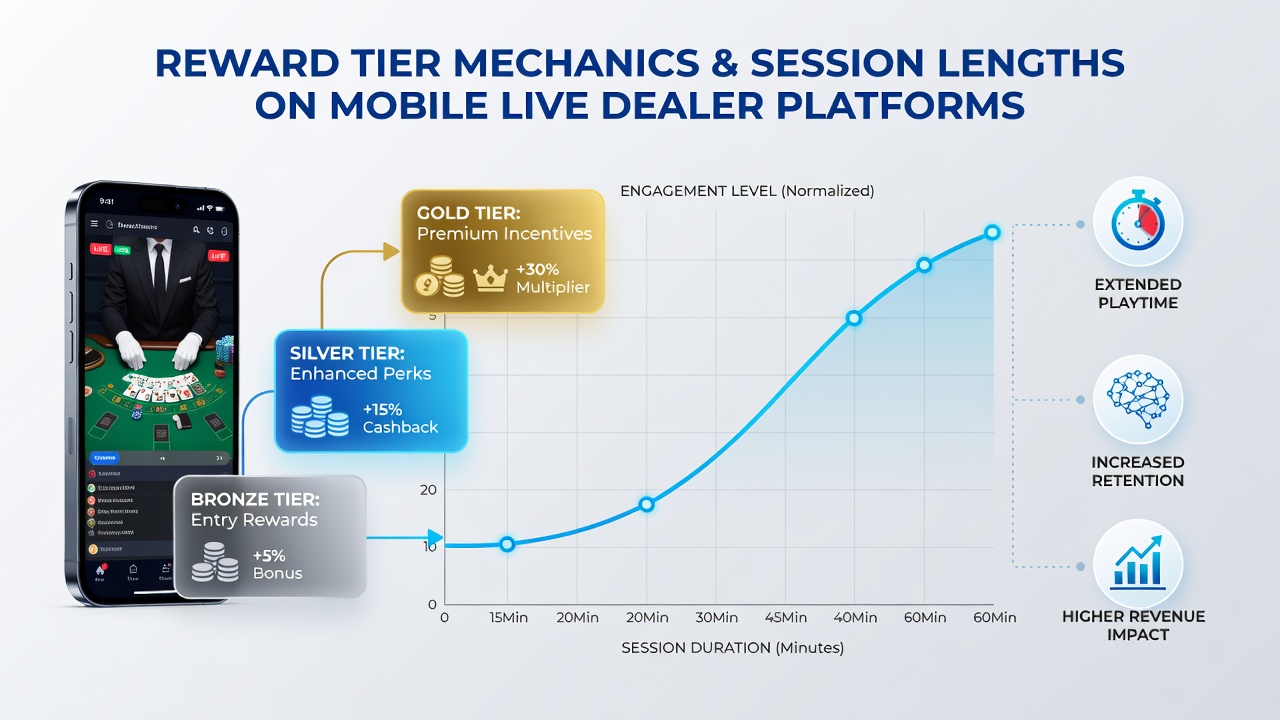
One study conducted by a Canadian research consortium tracked over 120,000 mobile live dealer accounts and found that participants who advanced at least one tier during a calendar month increased their weekly time spent by 2.8 hours on average, while those who remained static showed minimal change. The same report linked specific perks such as instant cashout options reserved for gold and above tiers to reduced session breaks, because players no longer needed to pause activity to manage withdrawals through external channels. Ontario gaming data similarly highlights how tiered loyalty programs correlate with longer continuous play periods in live dealer formats.
Regional Variations and Regulatory Influences
Markets with strict advertising rules around bonuses tend to emphasize tier mechanics that reward volume rather than acquisition bonuses, and this approach produces steadier session extensions across the player base. In contrast, jurisdictions that permit more flexible promotional structures see sharper spikes when new tiers launch, followed by stabilization at elevated session lengths. Observers note that platforms operating under Australian oversight frameworks have integrated responsible play tools directly into tier dashboards, allowing users to set session reminders that activate at tier-specific thresholds without interrupting the reward accumulation process.
Additional findings from academic reviews of digital gaming behavior indicate that visual progress indicators within apps amplify the effect, because players who can track their proximity to the next reward level adjust their pacing to reach milestones before logging off. This pattern holds across both high-stakes and recreational segments, although the absolute time increase appears larger among users already predisposed to longer sessions. Industry reports from the American Gaming Association further document how tier benefits such as dedicated account managers for top levels reduce friction points that previously prompted early exits.
Conclusion
Tiered reward systems in mobile live dealer platforms function as structured progression frameworks that tie escalating benefits to sustained activity, and available data consistently shows these designs extend average session lengths across demographic groups and regulatory environments. As operators continue refining point structures and introducing region-specific adjustments through 2026, the relationship between tier advancement and time spent remains a central factor shaping engagement metrics on these platforms. Association tracking confirms the pattern persists when platforms balance reward visibility with player control features.