Screen Arrangements Direct Payment Preferences in Live Table Game Platforms
Written by Gisela Brooks · Aug 25, 2026
Screen Arrangements Direct Payment Preferences in Live Table Game Platforms
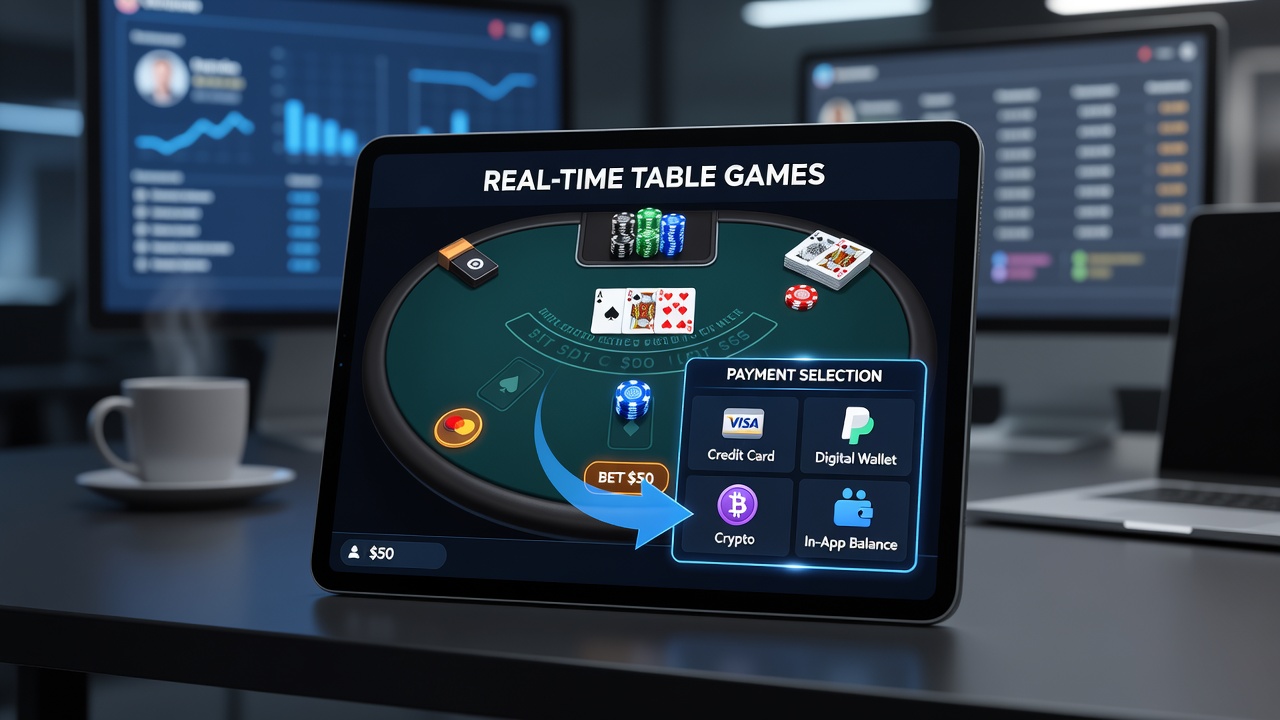
App developers arrange payment options in specific patterns within real-time table game environments, and those patterns steer user selections toward particular methods like digital wallets or card-based transfers during active sessions. Observers note that placement near game controls, color contrasts, and spacing between icons all contribute to quicker decisions while players remain focused on blackjack or roulette action. Data from mobile gaming reports indicates that central positioning of certain payment icons increases selection rates by directing attention without interrupting gameplay flow.
Positioning Elements That Shape Choices
Designers position payment buttons along the lower edge of screens in many live dealer applications, where users tap frequently during bets, while side panels hold secondary options that receive less immediate notice. Researchers have observed that this layout encourages repeated use of pre-selected methods because the primary choices sit within thumb reach on handheld devices. Studies tracking session data reveal that when instant transfer icons occupy the main action bar, participation in table games extends by measurable margins compared to layouts that bury those features in menus. And because real-time environments demand quick responses, players often default to whatever method appears first in the visual hierarchy rather than scrolling for alternatives.
Color Coding and Icon Size Effects
High-contrast colors applied to specific payment logos draw eyes immediately, and larger icon sizes further amplify selection likelihood in crowded interfaces. Evidence from user behavior analyses shows that green or blue accents on wallet options correlate with higher adoption rates during live sessions, whereas neutral tones on traditional card payments lead to lower visibility. Those who've examined app analytics note that icon scaling works alongside spacing rules, since tightly grouped elements create a sense of priority while isolated buttons signal optional status. In August 2026 several platforms updated their table game interfaces with refreshed palettes that aligned payment visuals more closely with game themes, resulting in documented shifts toward digital transfer methods according to internal metrics shared with industry observers.
Layout consistency across portrait adn landscape modes also plays a role, because players rotate devices mid-session and expect payment elements to remain accessible without extra taps. When designers maintain proportional spacing, transaction completion times shorten, and data indicates fewer abandoned carts during high-stakes moments. What's interesting is how subtle adjustments, such as adding subtle borders or shadows, guide attention without overt instructions.
Integration With Real-Time Game Controls
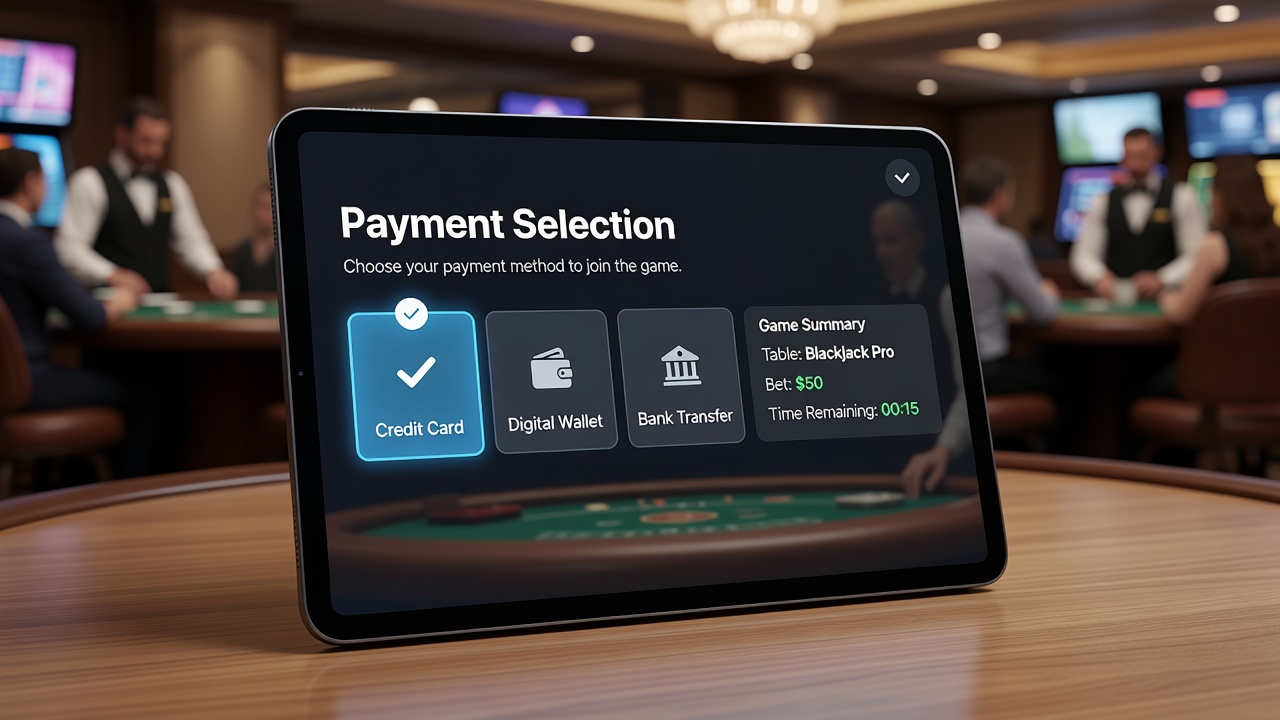
Payment selections integrate directly into betting panels in many applications, allowing users to fund accounts or switch methods without leaving the table view. This seamless connection reduces friction, and figures from platform reports demonstrate that embedded options receive more engagement than separate checkout flows. Experts tracking handheld casino patterns have found that when payment prompts appear alongside bet confirmations, conversion rates rise while session interruptions fall. Yet the same research highlights that overcrowding the control area can produce the opposite effect, prompting users to revert to previously saved defaults instead of exploring new methods.
Regional regulatory updates influence these designs because compliance requirements often dictate minimum visibility standards for certain transaction types. For instance, New Jersey Division of Gaming Enforcement guidelines emphasize clear disclosure of payment pathways, which developers translate into prominent yet non-intrusive layouts. Similar approaches appear in other jurisdictions, where interface rules encourage balanced presentation across all available options rather than favoring any single category.
Behavioral Patterns Emerging From Layout Tests
A/B testing conducted by development teams consistently shows that minor rearrangements produce measurable differences in payment method uptake during live table play. One documented case involved shifting a digital wallet icon two positions leftward, after which selection frequency increased across multiple game variants. Observers tracking these experiments note that users respond to perceived ease, and layouts that minimize cognitive load tend to lock in preferences early in a session. Research from gaming analytics firms further indicates that these patterns hold steady across demographics, although younger players exhibit faster adaptation to new arrangements compared with longer-term users who stick with familiar placements.
Additional factors include animation cues that highlight available methods when balances run low, directing attention without forcing choices. Such features connect payment interfaces to ongoing gameplay, creating a unified experience that supports extended participation. Data collected through app stores shows continued refinement of these elements as platforms respond to usage statistics gathered throughout 2026.
Conclusion
Interface layouts in real-time table game applications function as silent directors of payment behavior through strategic positioning, visual emphasis, and integration with core controls. Patterns observed across multiple platforms demonstrate that these design choices influence selection speed and frequency while maintaining compliance with regional standards. Continued monitoring of user interactions will likely drive further adjustments as developers refine how payment options appear within active gaming environments.