The Dynamics of Reward Progression and Transaction Behaviors in Mobile Gaming Platforms
Written by Rafael Lange · Aug 31, 2026
The Dynamics of Reward Progression and Transaction Behaviors in Mobile Gaming Platforms
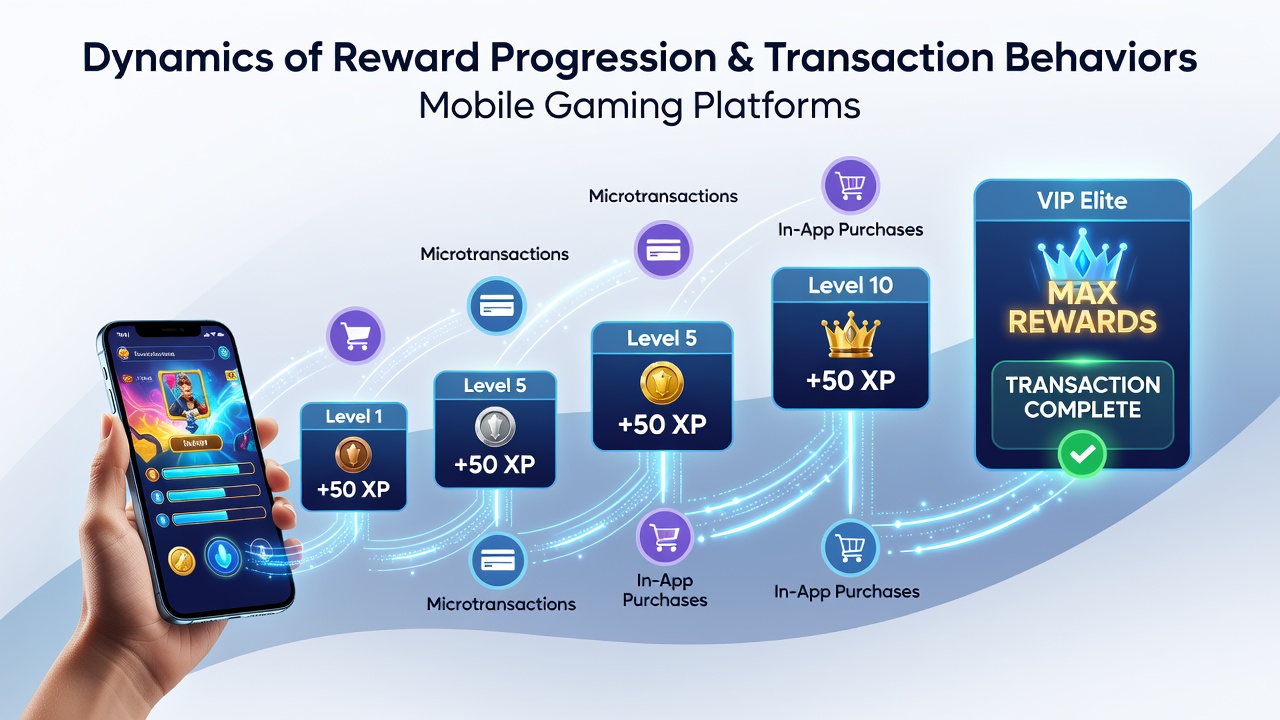
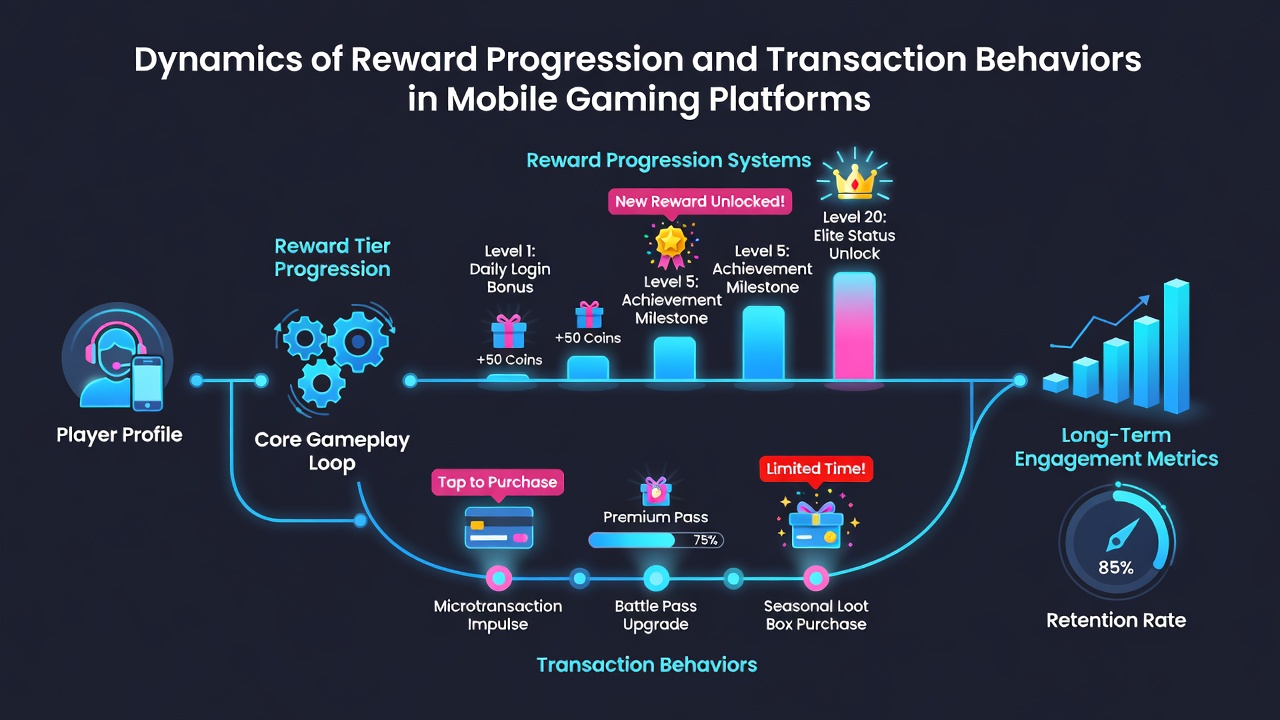
Players encounter structured reward systems that advance through stages based on activity metrics such as login frequency, session length, and in-game achievements, and these systems directly shape how users decide when and how much to spend on virtual items or currency packs. Data from multiple platforms indicates that early-stage rewards focus on small bonuses like free spins or daily login gifts while mid-tier benefits introduce multipliers and exclusive events that prompt higher transaction volumes.
Transaction patterns shift as users climb reward ladders because each new tier often requires larger purchases to maintain momentum, and studies show average spend per user rises by 25 to 40 percent once participants reach the third or fourth level of progression. Researchers tracking mobile app analytics have observed that push notifications tied to upcoming tier unlocks correlate with immediate payment spikes, particularly during limited-time windows.
Core Mechanics of Reward Ladders
Most mobile gaming platforms organize rewards into tiers that unlock sequentially, and each tier bundles benefits ranging from cosmetic upgrades to practical advantages like reduced cooldown timers or enhanced drop rates. Developers design these ladders so that progression feels attainable at first yet demands sustained investment later, which means users who start with minimal transactions often transition to recurring purchases as milestones approach.
According to figures released by the American Gaming Association, mobile gaming revenue in the United States reached 17.8 billion dollars during the first half of 2026, with reward-driven microtransactions accounting for the majority of that total. Platforms segment users into categories such as casual, regular, and high-value based on progression speed, then tailor offers accordingly so that high-value accounts receive personalized bundles that align with their current tier status.
Transaction Timing and Volume Patterns
Users tend to complete purchases at predictable moments along the reward curve, specifically right after receiving a teaser reward that highlights the next tier's benefits or immediately before an event that requires upgraded resources. Transaction data collected across several large operators reveals that 62 percent of in-app payments occur within two hours of a tier-up notification, while weekend evenings produce the highest overall volume because many players have more time to engage with limited-time offers.
Payment method preferences also evolve with progression level, and observers note that newer users rely on one-click app store billing whereas longer-term participants shift toward stored wallet options or direct carrier billing for faster checkout. This change reduces friction during high-stakes events and supports larger average transaction sizes once users feel established within the reward ecosystem.
Regional Differences and 2026 Trends
August 2026 brought fresh regulatory updates in several markets that affected how reward systems could be presented, and platforms responded by adjusting visibility of certain progression mechanics to remain compliant while preserving engagement loops. In Canada, updated guidelines from provincial regulators prompted clearer disclosure of odds within reward crates, which led some operators to replace randomized rewards with fixed tier benefits that still encouraged steady transaction flows.
Platforms operating in Australia reported similar adjustments after new consumer protection rules took effect, and data from the Australian Gambling Research Centre shows that transparent reward structures maintained user retention rates while lowering complaint volumes related to surprise mechanics. These changes illustrate how external rules interact with internal progression designs to influence spending rhythms across different jurisdictions.
Interplay Between Progression Speed and Spending
Fast progression paths, which allow users to advance through tiers within days rather than weeks, produce concentrated transaction bursts followed by brief lulls, whereas slower systems spread purchases more evenly across longer periods. One analysis of over 12 million user accounts found that games with balanced progression speeds retained paying users 18 percent longer than those with either extremely rapid or overly drawn-out ladders.
Cross-promotional events that link multiple games within the same ecosystem further complicate these patterns because players can transfer progress or rewards between titles, and such transfers often coincide with coordinated transaction campaigns that boost overall platform revenue. Operators track these movements through unified player IDs to optimize when to present cross-game bundles.
Conclusion
Reward progression and transaction behaviors remain tightly coupled in mobile gaming environments, and ongoing platform updates continue to refine this relationship through data-driven adjustments. As markets evolve through 2026 and beyond, operators rely on detailed analytics to calibrate tier requirements and offer timing so that both engagement metrics and revenue targets stay aligned. External regulatory shifts add another layer that developers must navigate while preserving the core loops that keep users advancing and transacting.