Tracing How Authentication Layers Influence Prize Redemption Timelines in Portable Reel Interfaces
Written by Taylor Koch · Jun 18, 2026
Tracing How Authentication Layers Influence Prize Redemption Timelines in Portable Reel Interfaces
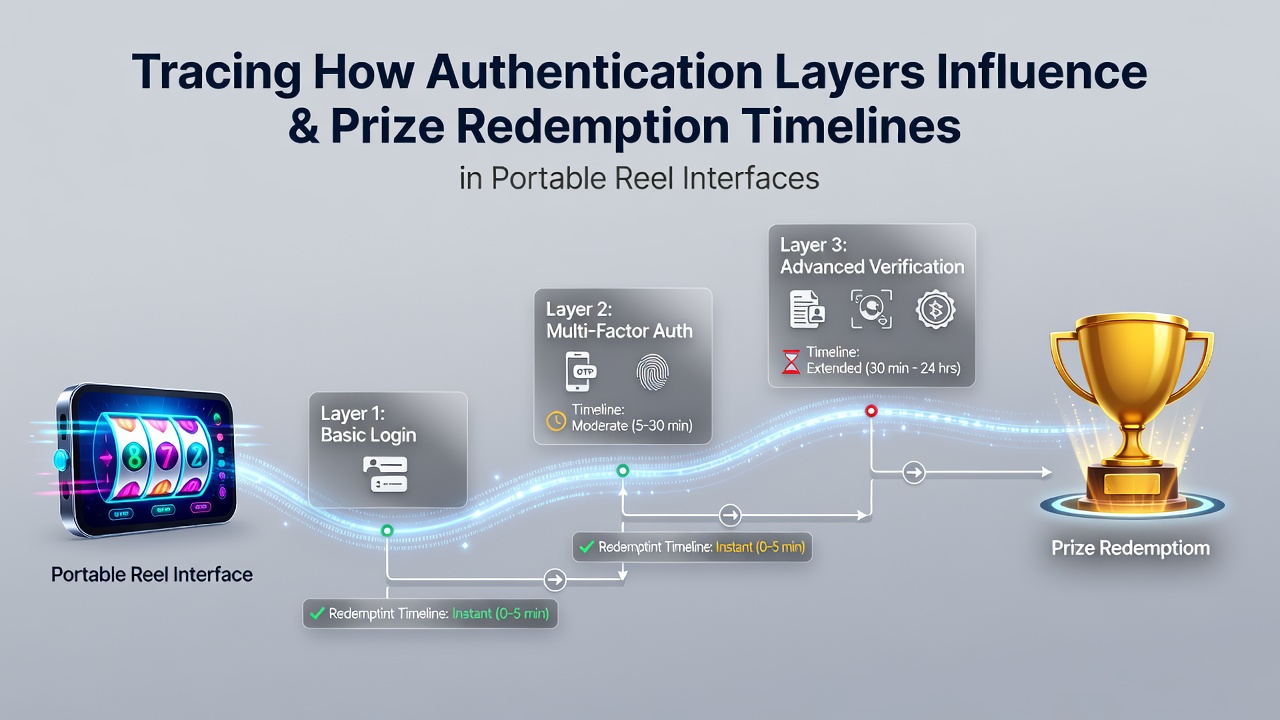
Portable reel interfaces on mobile devices rely on multiple authentication layers to secure user accounts and prize redemptions, yet these steps create measurable delays in how quickly players receive winnings. Research from industry reports shows that each added verification tier adds time to the process, with basic logins taking seconds while deeper identity checks stretch into hours or days depending on the platform's setup and regulatory requirements.
Core Authentication Layers in Mobile Reel Systems
Basic login procedures form the first layer where players enter usernames and passwords or use biometric options like fingerprints to access their accounts, and this step happens almost instantly on most devices yet serves as the gateway to any redemption attempt. Two-factor authentication follows next through SMS codes or app-based tokens, which experts note can add one to three minutes per transaction while also introducing variables like network delays or code expiration that force users to restart the sequence. Know-your-customer verification sits at a deeper level and often requires document uploads or video calls, and data from gaming platforms indicates this phase alone extends timelines from immediate processing to twenty-four hours or more when manual reviews enter the picture.
Impact on Redemption Timelines Across Different Platforms
Studies tracking mobile casino operations reveal that platforms with streamlined single-layer logins complete prize redemptions in under five minutes for verified accounts, whereas those enforcing full KYC at every withdrawal see average waits climb to forty-eight hours. Observers note that biometric authentication reduces friction compared to password resets but still requires prior enrollment which itself takes initial setup time during account creation. In June 2026 several operators adjusted their systems after new compliance updates took effect, resulting in faster cross-checks between authentication databases and banking partners that shaved minutes off standard flows without removing any security steps.
Regional Variations in Authentication Requirements
North American operators often tie authentication to state-specific rules that mandate separate identity confirmation before any prize leaves the system, and figures from regulatory filings show these requirements contribute to longer average redemption windows than in regions with lighter initial checks. European platforms meanwhile integrate digital identity tools that link directly to national databases, allowing quicker approvals once the first layer clears. Those who have examined transaction logs across markets find that Canadian provincial systems using centralized verification reduce repeat authentications, cutting total time compared to fragmented approaches elsewhere.
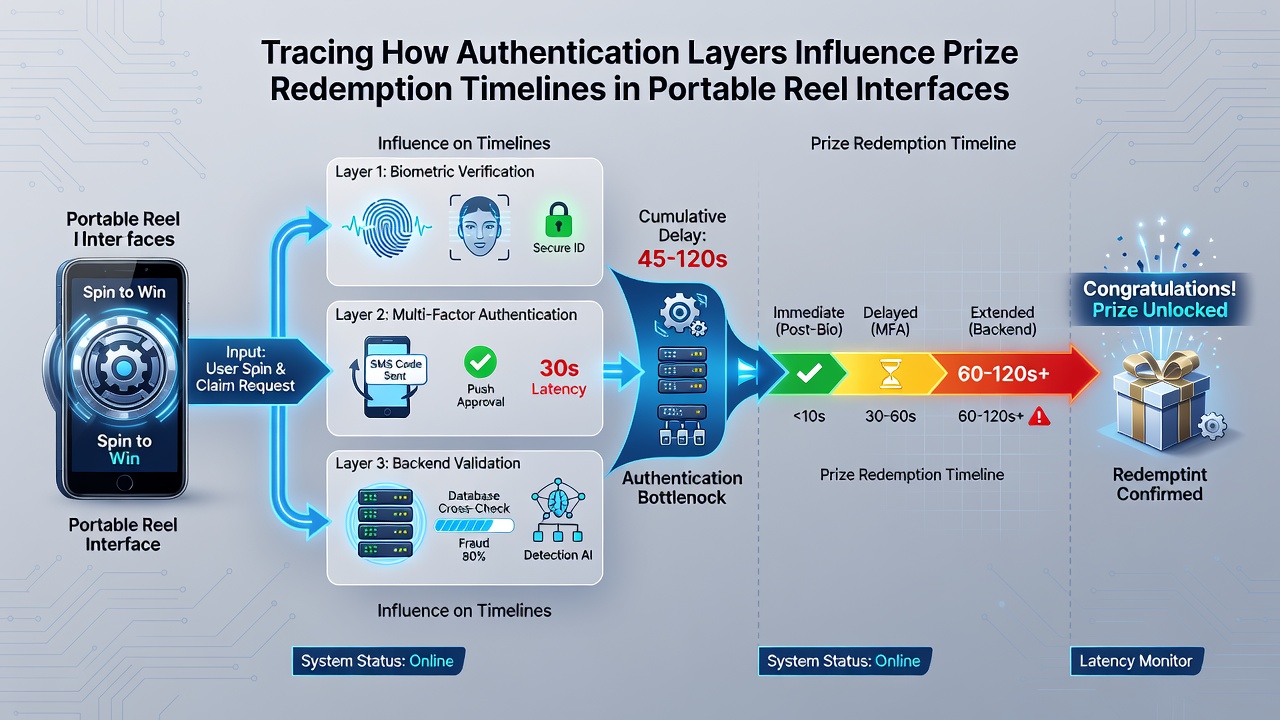
Turns out the choice of authentication method correlates directly with user retention patterns because delays in prize access lead some players to abandon pending redemptions midway through the process. Researchers at academic institutions have documented how multi-layer systems, while effective against fraud, create bottlenecks during peak hours when verification queues build up across thousands of simultaneous sessions.
Data Patterns from Recent Platform Analyses
Transaction records analyzed in 2026 demonstrate that adding a second authentication factor increases redemption completion time by an average of twelve minutes per attempt, while full KYC integration pushes that figure higher when documents require third-party review. Platforms incorporating automated facial recognition report shorter overall timelines because the technology processes images in seconds rather than routing requests through human staff, and similar efficiencies appear in systems that reuse previously verified authentication tokens across multiple sessions. What's interesting is how these patterns hold steady across different reel game types, suggesting the delays stem from security architecture rather than the games themselves.
Industry organizations such as the iGaming Ontario have published summaries showing that streamlined authentication correlates with higher completion rates for prize claims, while heavier layers filter out incomplete attempts before funds transfer. A separate analysis from university researchers tracking European mobile markets found similar results where biometric options alone cut average wait times nearly in half compared to code-based methods.
Technical Factors Affecting Speed
Server response times play a role when authentication requests queue during high-traffic periods, and this compounds with each additional layer since every check must complete before the next begins. Mobile network variability introduces further inconsistency because dropped connections during SMS verification force restarts that add unpredictable minutes. Experts have observed that cached authentication data from prior sessions speeds subsequent redemptions, yet many interfaces clear this data for security reasons and thereby reset the clock on every new withdrawal.
Conclusion
Authentication layers shape prize redemption timelines in portable reel interfaces through a combination of security protocols, regulatory demands, and technical execution that together determine how long each step takes. Data collected across multiple markets in 2026 confirms that reducing unnecessary repeats while maintaining core verifications produces the shortest reliable windows, and ongoing adjustments by operators continue to refine these balances without altering the fundamental structure of the layers themselves. Those monitoring the space note that future refinements will likely focus on automation to maintain security while trimming the accumulated delays that currently define the process.