When Interface Meets Incentive: Decoding Design Choices in App-Based Casino Rewards
Written by Yara Coleman · Aug 4, 2026
When Interface Meets Incentive: Decoding Design Choices in App-Based Casino Rewards
App developers in the casino sector continue to refine how visual layouts and interactive elements guide users toward reward programs, and researchers have tracked these adjustments across multiple platforms since early 2025. Design teams adjust button placement, color contrast, and notification timing to align player actions with available incentives, while data from industry reports shows that simplified menu structures correlate with increased participation in loyalty tiers. Observers note that these choices emerge from testing sessions where user navigation patterns reveal preferences for immediate visual feedback over layered menus.
Navigation Patterns and Reward Visibility
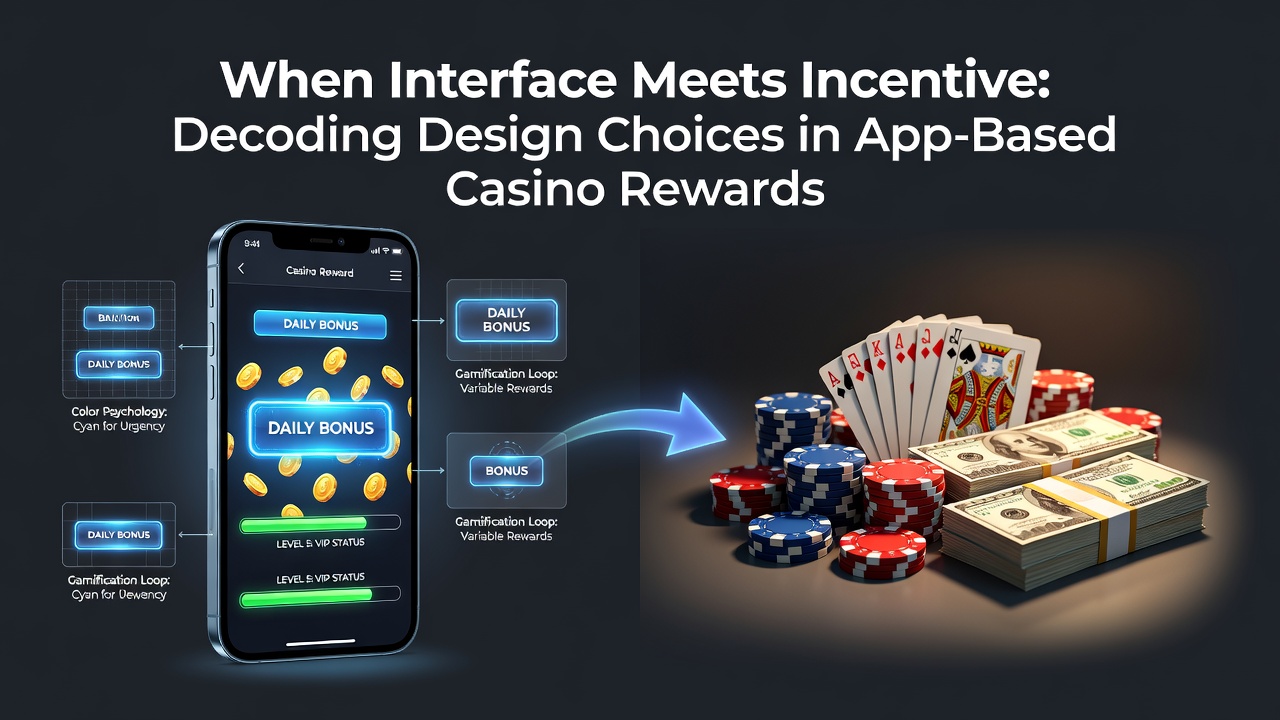
Clear pathways through reward sections allow players to locate bonus offers without excessive taps, and studies from mobile analytics firms indicate that apps with persistent progress bars maintain longer session durations compared to those that hide status updates behind additional screens. Designers often place redeemable points near the main dashboard because placement influences how frequently users check accumulated incentives, whereas buried features tend to see lower interaction rates. Experts have observed that color-coded tiers help distinguish between entry-level and premium benefits, creating visual hierarchy that directs attention toward higher-value options.
Push notifications timed to coincide with milestone achievements further integrate interface cues with incentive triggers, and figures from app store performance metrics reveal that personalized reward alerts generate higher open rates than generic messages. Those who analyze user flow data find that swipe gestures for reward summaries reduce friction in claiming daily bonuses, while static lists can slow decision-making during active play.
Visual Elements Tied to Incentive Structures
Background themes and icon styles often reinforce the perceived value of rewards, with warm palettes highlighting jackpot pools and cooler tones marking standard loyalty points. Research indicates that animated progress animations encourage repeated logins because they provide tangible representations of advancement, and developers incorporate these elements after reviewing heatmaps that track eye movement across reward screens. When interface components display real-time updates on points earned from specific games, users receive immediate confirmation that their activity contributes to tier progression.
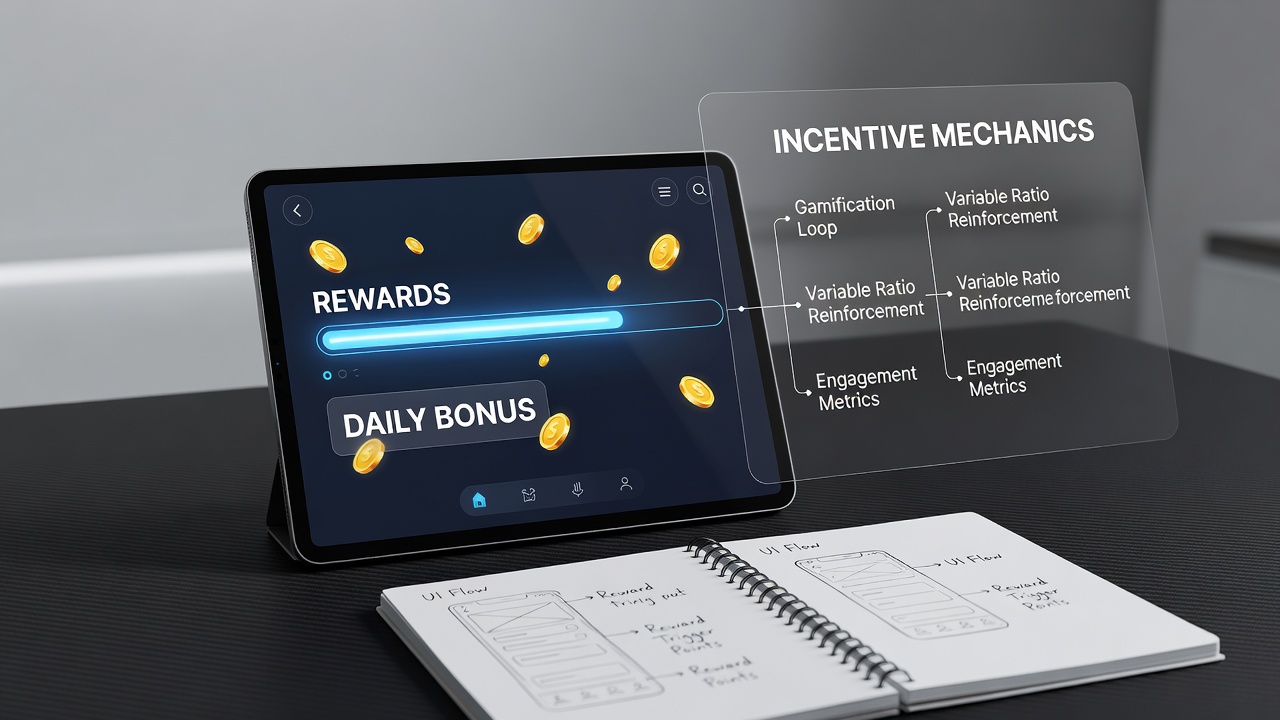
Designers also test font sizes and spacing to ensure that terms for bonus eligibility remain readable on smaller devices, since crowded text can obscure conditions attached to certain incentives. Data collected during August 2026 platform audits shows that apps updating their reward interfaces with larger tap targets recorded measurable gains in successful redemptions. Those studying these trends note that consistent iconography across game types helps players transfer familiarity from one section to another without relearning navigation each time.
Testing Methods Behind Design Decisions
Development teams rely on A/B testing to compare versions where reward claims sit at the top versus bottom of screens, and results consistently favor placements that match natural scrolling habits on mobile devices. Academic reviews of user behavior in digital gaming environments have documented how subtle changes in confirmation dialogs affect completion rates for tier upgrades. Analysts track metrics such as time spent in the rewards tab and conversion from viewed offers to claimed bonuses, providing evidence that guides iterative refinements.
Integration between game selection and reward tracking appears in apps that overlay bonus multipliers directly on popular titles, allowing users to see potential gains before committing to a session. Reports from regional gaming authorities highlight that transparent displays of wagering requirements within the interface reduce support queries related to misunderstood terms. Observers continue to monitor how these design adjustments evolve alongside updates in operating systems and device capabilities.
Regional Variations in Implementation
Platforms operating under different regulatory frameworks adapt interface elements to meet local disclosure standards while preserving intuitive reward flows, and comparisons across markets show that European operators often emphasize detailed breakdowns of point values whereas North American versions prioritize quick-access claim buttons. Trade association data from sources such as the American Gaming Association tracks these adaptations through quarterly usage surveys. Similar patterns emerge in Australian markets where research centers examine how mobile reward designs align with responsible play prompts embedded in the same screens.
Conclusion
Interface decisions in app-based casino rewards continue to reflect ongoing analysis of user interaction data, with developers balancing visual appeal against functional clarity to support incentive participation. Patterns observed through August 2026 demonstrate that strategic placement of progress indicators and notification timing shapes how players engage with available benefits across devices. Future refinements will likely build on these established connections between layout choices and reward accessibility.